
The globalization of contemporary art, and the artist-in-residence programs
Part 5: Artist residencies building the future
By Kanno Sachiko
- SHARE


1. Can AIRs build the future?
The first article in this series, titled “The origins of artist-in-residence programs—Villa Kujoyama and Villa Medici,” explored the origins of the AIR, and their significance. It began with some basic data compiled from the AIR_J Japanese AIR database 1 to ascertain the current locations of artist-in-residence programs in Japan.2 What this data showed was that despite the restricted movement of people from 2020 on due to the Covid-19 pandemic, the number of AIRs in Japan has not only not declined, it has continued to exhibit robust growth. Although AIR programs were first established in Japan in the 1990s, a strong emphasis on process meant initially the concept was little understood, and this coupled with the putative difficulty in assessing the impact of AIRs, meant it did not readily take hold. These days however there are well over a hundred assorted AIRs flourishing in different parts of the country. So in this final instalment, I shall explore the backdrop to this proliferation, and also contemplate the future of the AIR.
2. The Hamacul Art Project initiative
For my observations here I shall take as an example the Hamacul Art Project3 currently unfolding in areas of Fukushima Prefecture affected by the Tohoku earthquake and tsunami of 2011. In the Fukushima disaster zone, following the accident at the Fukushima Dai-Ichi Nuclear Power Plant directly after the quake, the residents of twelve municipalities in the prefecture’s Hamadori coastal region (Tamura, Minamisoma, Kawamata, Hirono, Naraha, Tomioka, Kawauchi, Okuma, Futaba, Namie, Katsurao, Iitate) were forced to evacuate, leaving behind the only homes they had ever known. The evacuation order was extended long term, and conditions still prevent many residents from returning.
Few know that fourteen years on from the quake, the municipalities in question actually offer a very rare case study of trial measures for the revival of a region. METI, the ministry responsible for atomic energy in Japan, has developed/supported a variety of projects aimed at facilitating this regional recovery. One aspect has been aiding recovery through the appeal of art and culture, and in June 2023 METI established an office for promoting culture in Fukushima, composed of young and enthusiastic METI staff, and launched a new art initiative: the Hamacul Art Project. A pilot program initially based on the artist residency concept, with artists residing locally while undertaking creative activities, it aims to increase the region’s nonresident and relational populations by bringing a range of different creators to reside in the twelve municipalities and engage in creative work while also gaining a greater understanding of the history and current situation of the locality, communicating with those living there, and connecting with other communities. In a sense the Hamacul Art Project could be described as a social experiment, and its first director, Okada Tomohiro,4 responsible for setting up the Project’s institutional framework, defines an art project as “an initiative that involves being immersed in the society or locality and co-creating art, and which not only leads to artistic creation, but generates new value for the society or locality for the duration of the project, along with relationships.” To make this reality, Okada designed a program to support those responsible for running ongoing AIRs while engaging in co-creation with the community.5 The Project is being rolled out to see how much new value it generates for the communities in question.
Historically a flourishing fishing ground and region with rich harvests from mountains and sea, the Hamadori coast of Fukushima is a temperate area sometimes known as the “Tohoku Shonan” in reference to the stretch of coast near Tokyo with a similarly mild climate. Since the Tohoku quake however all the affected communities have suffered precipitous population loss, and many of those for whom this region has been home for generations cannot yet return to the lives they had, due to a dearth of both physical infrastructure and services. On the other hand, many young people have actually moved to the area in search of opportunities, using it as a place to explore and trial business ideas of various sorts. As it has unfolded over the past three years, the Project has continually asked what role the arts and culture can fulfill in these communities. I served as an advisor from the first year, and am now program director, taking over from the aforementioned Okada. The most important point regarding the Hamacul Art Project, in my view, is that it is engaging with the challenge, through art, of co-creating and finding new approaches to generating value for the future, and connecting those approaches, all the while respecting the endeavors of the local people, all of whom have their own stories to tell.
There were already a number of AIR programs underway in the Hamadori area, using recovery funding, before the Hamacul Art Project. The Tomioka-based non-profit InVisible, for example, has been running the PinS (Professionals in Schools) project since 2017, 6 rolling out a program of artists in schools, in which specialists in various domains set up workspaces in elementary and middle schools in Tomioka, and interact with the children on a routine basis. In Hirono, private-sector volunteers launched the Hirono Art Camp in 2019, with regional recovery through art subsequently being incorporated in the town’s general plan. In 2023 a group commissioned by the town began operating the Hirono AIR in which artists make works based on Hirono folklore and customs. 7 In the Odaka district of Minamisoma, the Gunjo Odaka AIR program has been running since 2021.8 In 2022 the Katsurao AIR began when the Katsurao Collective, composed of members of the Nakanojo Biennale team and others, were commissioned by the village of Katsurao to set up an Artist Migration and Settlement Promotion Project.9 The myriad AIR initiatives like these already in progress in the Hamadori area have also helped to ensure a positive reception for projects that involve bringing in and mixing with people from outside the region.
The Hamacul Art Project has two formats: one involving students, and the other residencies. The former supports activities that give students first-hand experience of local history and natural features, and the chance to mix with residents, while engaging in creative activity. The latter is aimed at artists (individuals or groups), AIR operators etc. and supports a variety of artists to pursue creative activities while residing in the community. To date artists from a wide range of disciplines including video, visual arts, performing arts, architecture, and photography have taken advantage of the residency program, making their work and maintaining ongoing connections with people in the local communities.
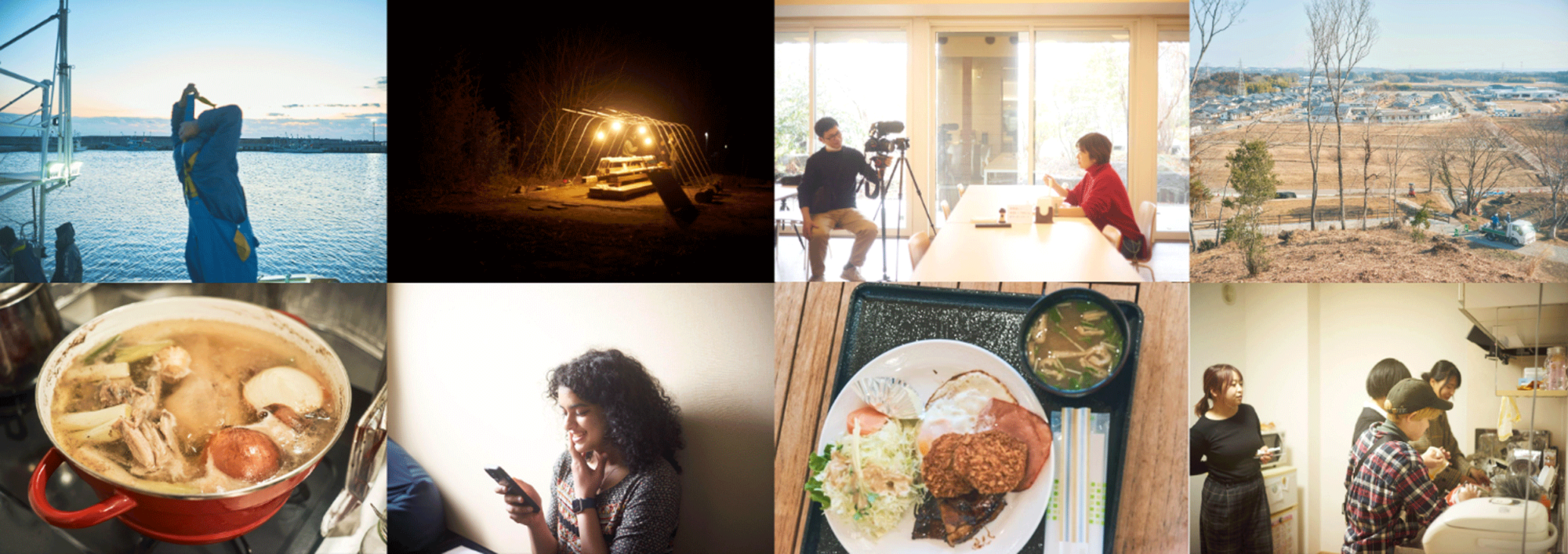
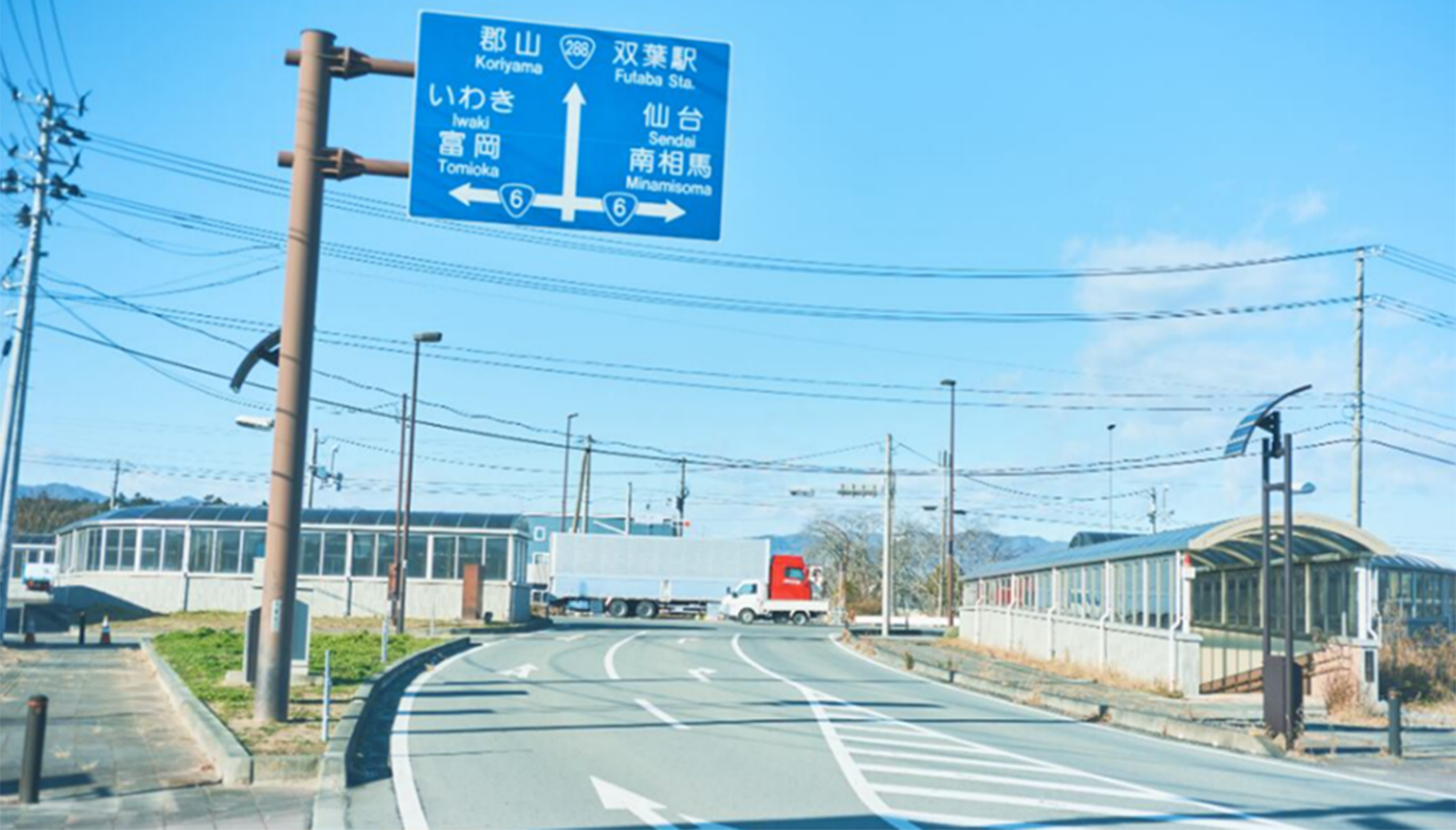
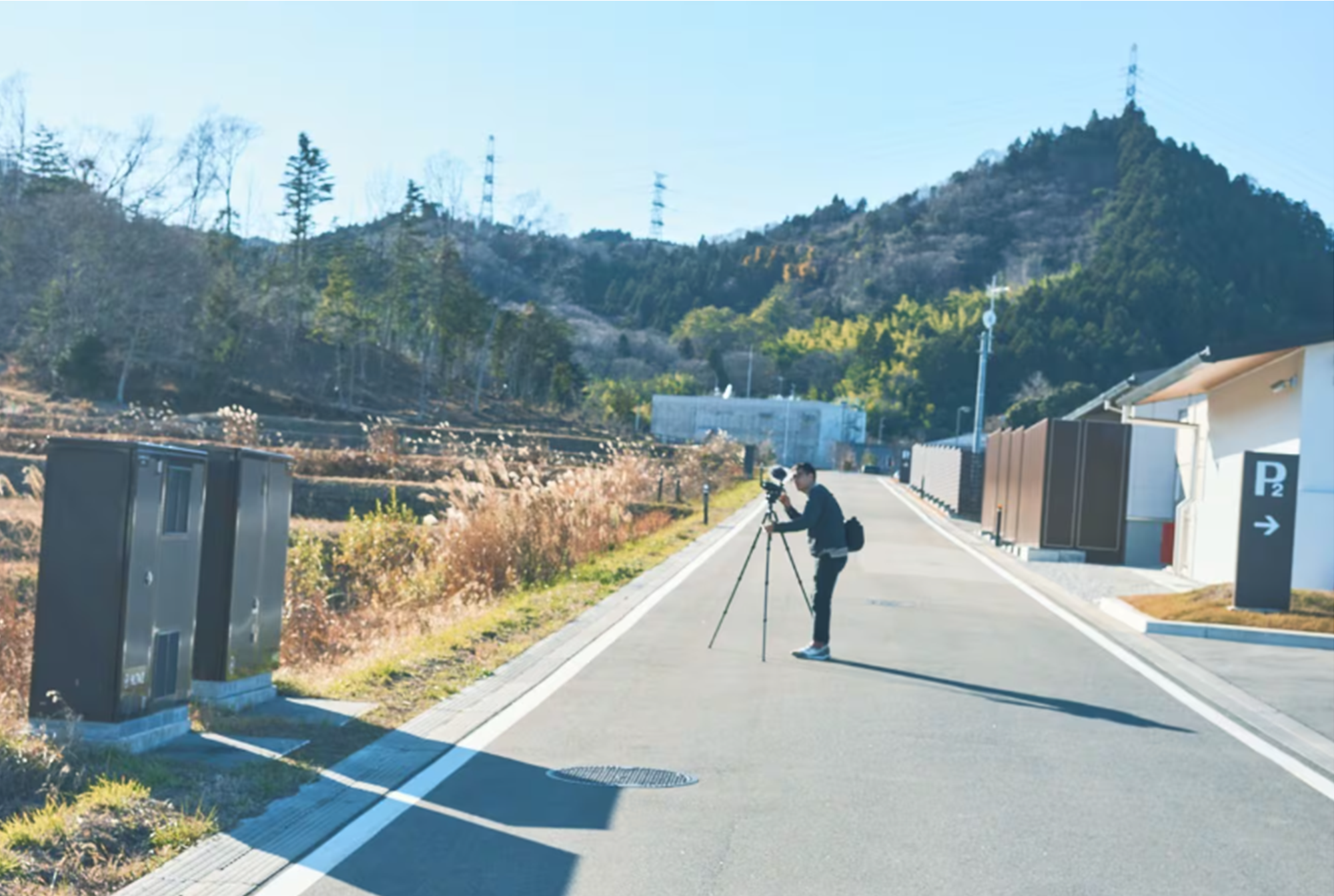
Generating new value is not as easy as it sounds, but allow me to introduce here one initiative to do so, by documenting on video and in writing some of the stories nurtured in the region. The “Rokkoku Kitchen” project, brainchild of writer Kawauchi Ario and filmmaker Miyoshi Daisuke, is an attempt to give expression to and document via book and road movie the people who live along National Highway 6, colloquially known as “Rokkoku,” which runs through the Hamadori area, and their endeavors around food, kitchens, and recipes. A non-fiction writer known as the author of books such as Me no mienai Shiratori-san to aato o mi ni iku (Going to see art with blind Shiratori-san) and Sora o yuku kyojin (Giant in the sky), Kawauchi studied at the Nihon University College of Art with the aim of becoming a film director, and currently also runs a gallery. Miyoshi meanwhile makes “local movies” using 8mm film shot by members of the public. Together the pair formed a unit, and as the first phase of the project undertook a residency from November 2023 to February 2025, carrying out research and filming. The results included the road movie Minna nani tabete, do ikite irun daro? (What is everyone eating, and how are they living?), for which they traveled north along National Highway 6 interviewing people living in different places and documenting their endeavors; 10 and the “Rokkoku Kitchen” collection of essays submitted by people in the community. In phase two they gathered forgotten home videos from people in the Hamadori region and made a film reflecting the region’s past. The plan is to ultimately put together a Rokkoku Kitchen feature-length documentary. Both film and essays depict splendidly, through food, the activities of people living in Hamadori today, and are suffused with a viewpoint impossible to convey in any other media.
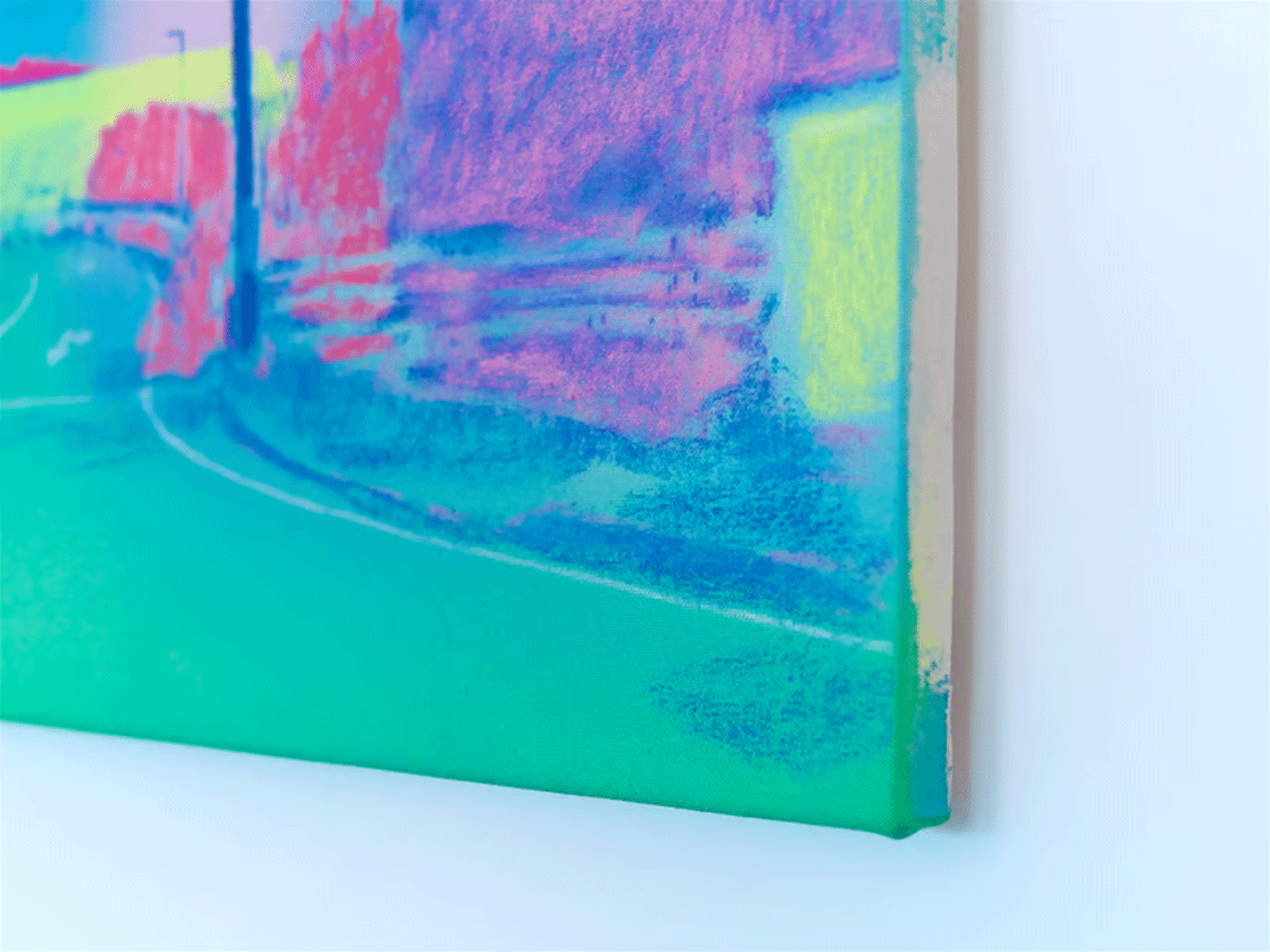
Apart from this there is artist Mitsuzuka Shinji, who by residing in the Hamadori area reflects on his father’s involvement in researching atomic energy, and his own former fascination with it as the energy of the future, as he wields his brush to produce a series of works titled “unsent memories.”11 In the wake of his experience in Fukushima, Mitsuzuka is carving out his own new territory. Many other artists are also spending time in the region, engaging with its history and current realities and starting to produce works that could only emerge here, and one cannot help but wonder if this part of the country harbors some mysterious latent energy that draws people in, and compels them to generate new kinds of expression.
3. The future-building possibilities of the AIR
This series started by exploring the origins of the AIR, and has progressed as far as looking at possible societal roles for AIR programs in future. We have also seen how the development of AIR programs since the end of World War II has overlapped with the globalization of contemporary art. Part 2 noted that AIRs can function as a setting for generating creativity and inspiration across different fields. In other words the AIR contains elements that will prove essential in the years to come, such as collaboration and co-creation by diverse stakeholders. This means it can also serve as a setting for trialing these; a place to experiment. In this writer’s view, faced with an unpredictable future what we need today is a place for just such experimentation, where artists and creators in different fields are permitted to push beyond their own boundaries and limits, and try new things. The AIR is surely that place.
Today’s world is a place of daunting challenges—conflict, disaster, growing poverty, to name just a few. In Japan earthquakes, tsunamis, floods, and landslides are now frequent, giving the country a reputation for being especially disaster-prone. Working on the Hamacul Art Project I have felt acutely that people are ready to turn once again to the arts and culture to overcome such disasters and difficulties, and help hearts, and entire regions, to truly recover and be reborn. Directly after the Tohoku quake and tsunami in 2011, people were simply trying to survive, and rebuilding lives took top priority. And many of the artists left feeling powerless by the catastrophe, were also laboring as volunteers in assorted capacities. But 14 years on, there is a renewed sense that now is the time for culture to step up; for culture to have value. Art once again resonates with the stories spoken or unspoken nursed in our souls, giving rise to new kinds of expression, and encouraging new strength and solidarity in individuals and communities. It is perhaps no coincidence that we are now seeing so many AIRs unfold across the Hamadori area.
The AIR system generates opportunities for collaboration and co-creation among the stakeholders in a community, mediated by artists and creators, in turn enabling new value to be created in that community. As the example of the Rokkoku Kitchen project demonstrates, words and images make it possible to mingle with those in the community, make connections, and relay people’s thoughts and everyday activities. From there, in turn, new history is created, new stories spun. So though it may take time, art and culture have the power to truly penetrate the hearts and minds of those watching, to powerful effect. Beyond the scope of just contemporary art, or Japan, in so many modern scenarios the AIR system, by which artists and creators from all walks of life migrate and stay for short periods, harbors huge potential to generate ideas, knowledge, skills, information, and exchange with local people, and attract greater nonresident and relational populations. This is why we can expect it to help build the future of our planet.
1. AIR_J Online Database of Artist in Residence Programs in Japan
2. Kanno Sachiko, “Part 1: The origins of artist-in-residence programs—Villa Kujoyama and Villa Medici,” ICA Kyoto.
3. Hamacul Art Project 2025 website (in Japanese)
4. About Okada Tomohiro (in Japanese)
5. First Hama-Cul Art Project Archive Documents
6. PinS Project explained on the inVisible website (in Japanese)
7. Hirono Artist in Residence open call
8. Artist in Residence in Minamisoma, Gunjo Odaka website (in Japanese)
9. Katsurao Collective /Katsurao AIR website
10. Rokkoku Kitchen website (in Japanese)
11. Shinji Mitsuzuka website “Works”
(All accessed November 25, 2025).
Kanno Sachiko
AIR Lab Arts Planner/Researcher
Kanno became an independent art organizer and researcher after working for the British Council Tokyo and the Japan Foundation. She received her MA and PhD in Cultural Resources Studies from the Graduate School of Humanities and Sociology at the University of Tokyo and a postgraduate degree in Decorative Arts History at the University of Glasgow. Her expertise includes artist-in-residence programs, UK cultural policy, and international cultural exchange. Notable projects as a writer include “Gendai āto to gurōbarizēshon — Ātisuto in rejidensu o megutte” [Globalization of contemporary art: Artist-inrResidence] in Gurōbaruka suru bunka seisaku [Globalization of cultural policy] (Tokyo: Keiso Shobo, 2009), and as co-editor, Ātisuto in rejidensu: Machi・hito・āto o tsunagu potensharu [Artist-in-residence: On the potential to connect communities, people and art] (Tokyo: Bigaku Shuppan, 2023).