
PROGRAMSInternational Symposium
ICA Kyoto|International Symposium 2026
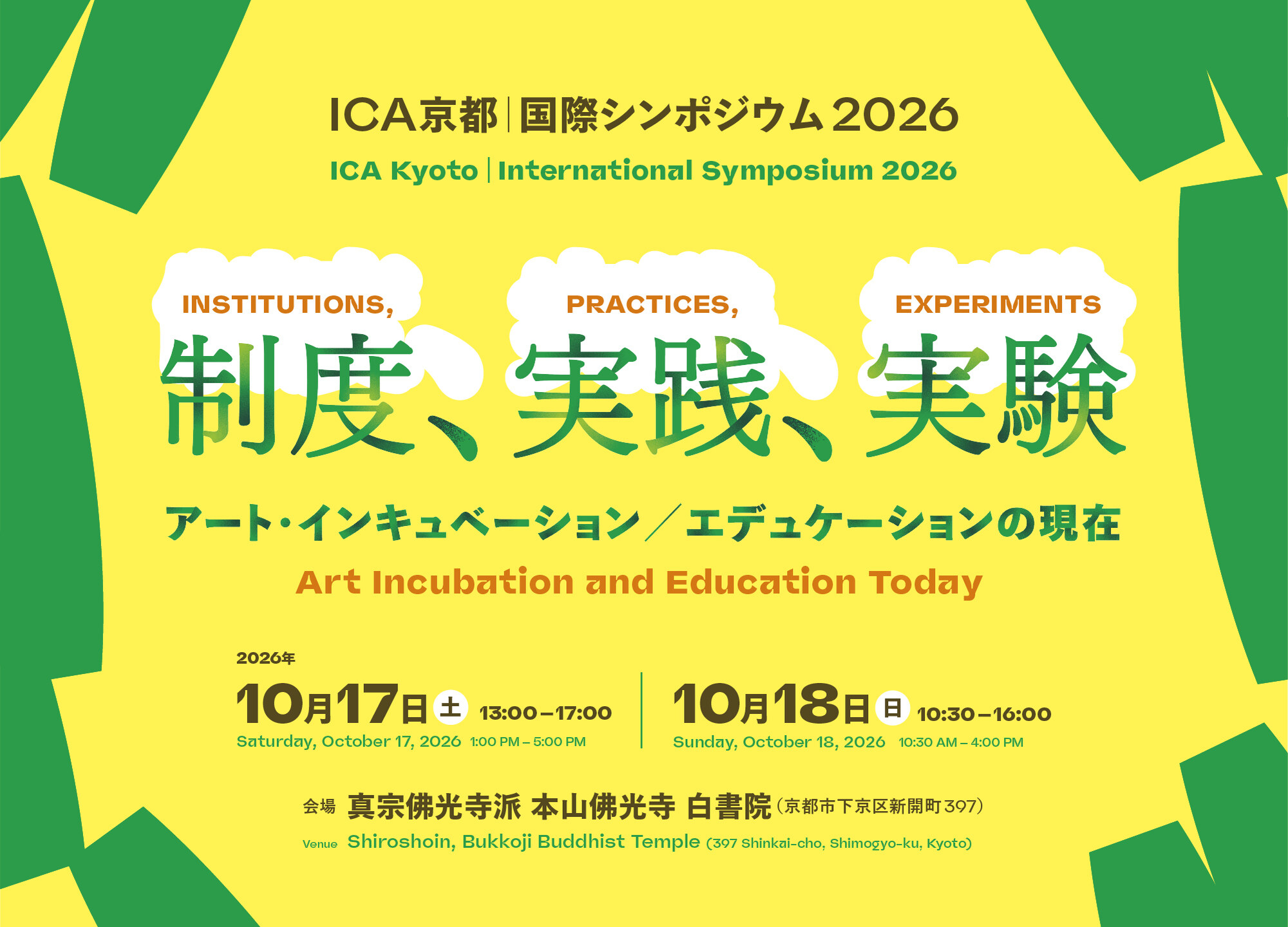
Institutions, Practices, Experiments: Art Incubation and Education Today
Overview
ICA Kyoto’s International Symposium 2026, “Institutions, Practices, and Experiments: Art Incubation and Education Today,” will focus on the role played by art schools, specialized institutions and educational programs in art incubation. In this context, “incubation” goes beyond just fostering talent; it is an attempt to design and operate environments that foster artistic thinking and social imagination, while connecting individual creative activities to the real world. This symposium will look at “places of learning” spanning different formats—art universities, educational institutions, residencies, short-term programs, workshops, independent platforms, and alternative art schools—to examine how each supports learners (artists, curators, etc.) in achieving professional independence, and the roles that each of these places of learning play within the art ecosystem.
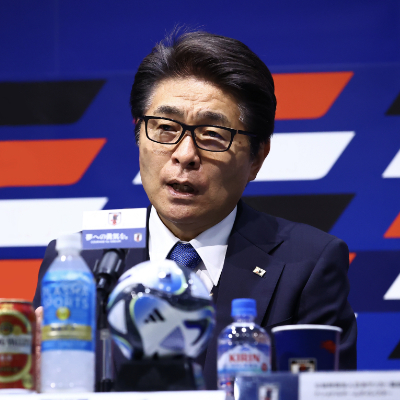
The symposium will welcome Masakuni Yamamoto, chairman of the technical committee and national team director of the Japan Football Association, to provide a practical example of incubation by speaking about the structuring of systems and practical application of international human resource development in the field of sports. Drawing on educational and development practices in soccer—such as designing an environment that enables individual players to succeed on the world stage and creating a framework that balances player development with competition—his presentation will be an exploration of approaches to institutional design and international talent development that can also be applied in the field of art.
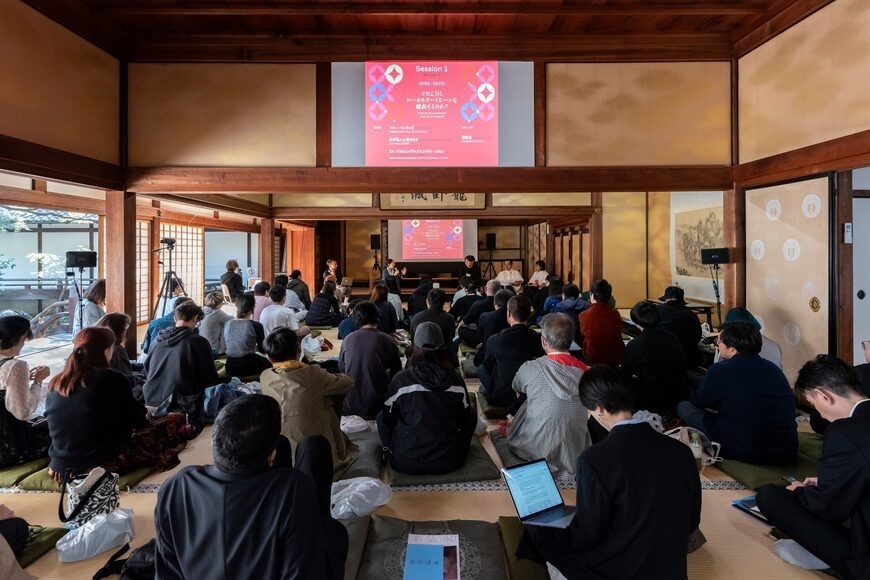
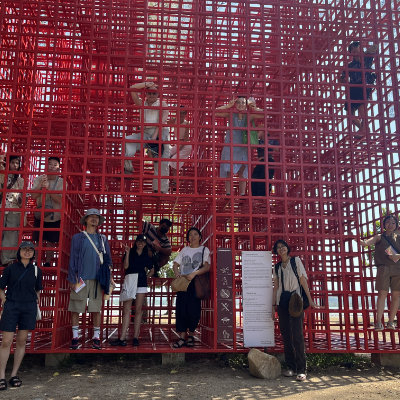
Photo: Haruka Oka
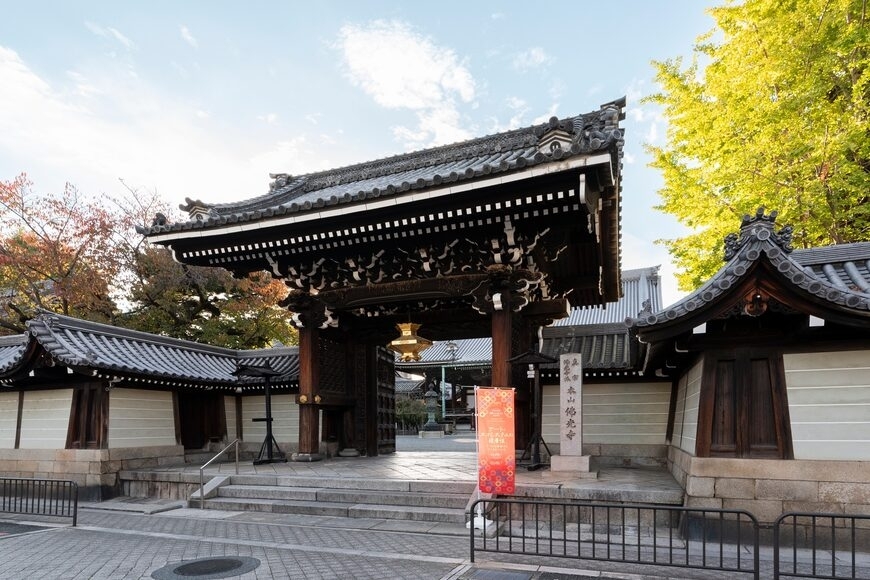
Photo: Haruka Oka
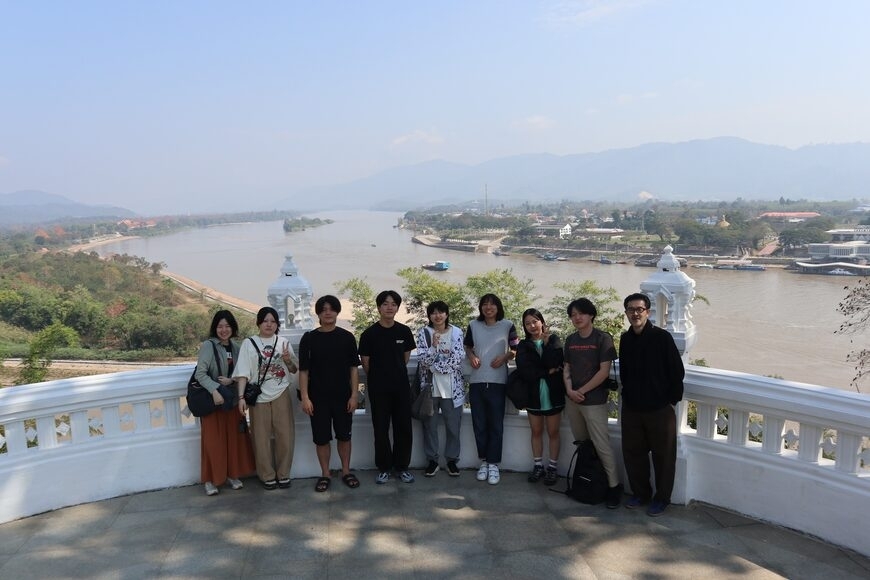
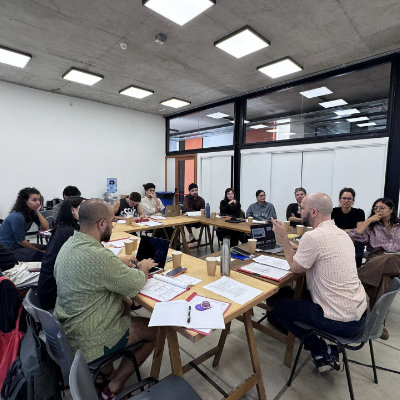
As a university-affiliated body, ICA Kyoto is positioned between education and practice, and we aim to serve as an “incubator” that exposes students to international learning opportunities and helps them leverage resources inside and outside of the university to venture abroad. Our mission is to create a place where artistic practices can emerge and be nurtured by functioning as an intermediary between educational institutions and the international community. This symposium will take a fresh look at the potential of educational institutions and programs as places where institutions, practices, and even experiments come together and interact. It will illuminate the state of art incubation and education today.
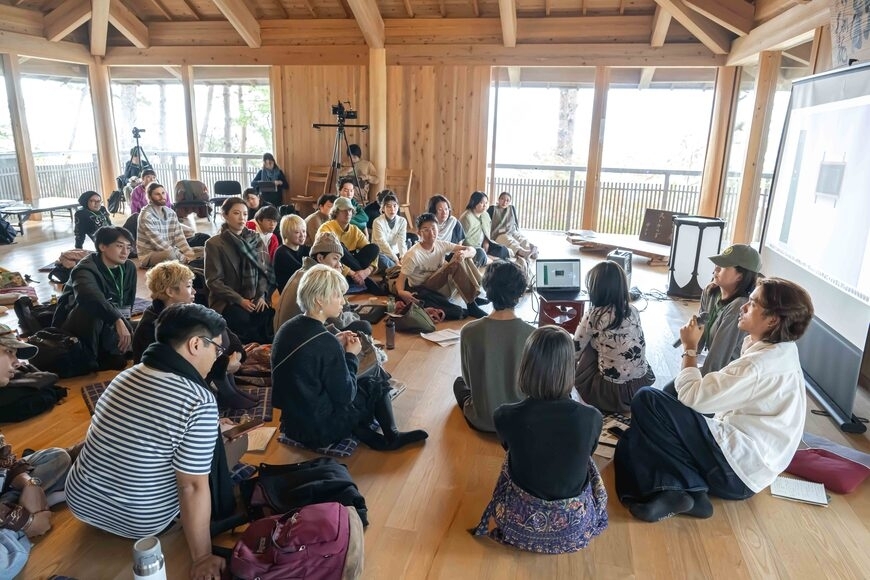
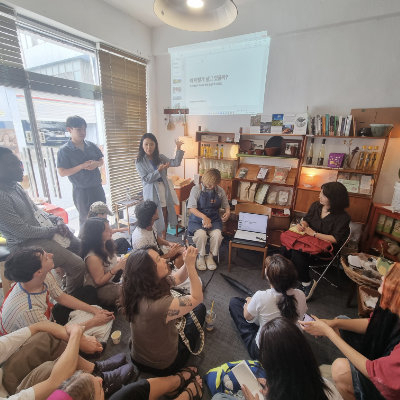
Photo: Yosihiro Shiomi
Symposium information
ICA Kyoto|International Symposium 2026
Institutions, Practices, Experiments: Art Incubation and Education Today
- DatesSaturday, October 17, 2026, 13:00–17:00 (Doors open: 12:30) (Informal Gathering: 17:30–20:00)
Sunday, October 18, 2026, 10:30–16:00 (Doors open: 10:00) - VenueShiroshoin at Bukko-ji Temple, the head temple of the Bukko-ji sect of Shinshu Buddhism (397 Shinkai-cho, Shimogyo-ku, Kyoto)
- Speakers
- Marina Reyes Franco (Curatorial Intensive Programs Manager, Independent Curators International (ICI) [New York])
- Thanavi Chotpradit (Assistant Professor, MA in Critical and Curatorial Studies of Contemporary Art (CCSCA) [Taipei])
- Mijoo Park (Project Manager, 2026 Gwangju Biennale Academy International Curator Course [Gwangju] / Director, m/m curatorial summer camp)
- Masakuni Yamamoto (Chairman of the Technical Committee and National Team Director, Japan Football Association (JFA))
- Masaru Kaido (Executive Director, Bigakko [Tokyo])
- Gulmehar Dhillon (Curator and Programs Manager, Khoj International Artists’ Association [New Delhi])
- Fumi Yokobori (Co-Director, DANCE BOX [Kobe])
- Daniel Späti (Founder and Coordinator, Transcultural Collaboration / Founder and Former Head of Shared Campus, ZHdK [Zurich and others])
- Keisuke Oka (Architect / Creator of Arimasutonbiru / Director, Takayama Architecture Seminar School [Hida])
- Jo-Lene Ong (Curator, Buro Stedelijk [Amsterdam])
- Mami Kataoka (Director, ICA Kyoto)
- Kazuya Nakayama (Deputy Director, ICA Kyoto)
- Takuya Tsutsumi (Program Director, ICA Kyoto)
- Kodama Kanazawa (Special Project Director, ICA Kyoto)
- CapacityApproximately 80 (Registration required in advance. Attendees may come and go freely.)
- AdmissionFree
- LanguageSimultaneous interpretation between Japanese and English
- Organized byICA Kyoto, Kyoto University of the Arts Graduate School
- Supported byToshiaki Ogasawara Memorial Foundation, Nomura Foundation
- In cooperation withMichie Ayabe, Japan Football Association
Registration
How to applyPlease register using the form below.
*You can also sign up for the Informal Gathering on Saturday, October 17 via this form.
*This symposium will focus on the theme of talent development and education in the field of art. The presentation by Masakuni Yamamoto will be in line with this theme. We welcome all who are interested in the overall theme of the symposium, especially in the fields of art and education. We hope that registrants will participate in the entire program.
Registration deadlineFriday, October 16
*Walk-in admission may be available on the day of the event, subject to availability. Please note that entry may not be possible if the venue is full.
Program Details
- DAY 1|Saturday, October 17
- 13:00–13:30
Introduction
- 13:30–14:50
Session 1 Institutions
Do institutions enable incubation or constrain it?
This session will examine how institutional frameworks influence the growth and professional career development of artists and curators. Speakers from a range of institutions—including universities, curator organizations, and art festivals— will discuss the possibilities and limitations of institutional models in nurturing a new generation of artists and cultural practitioners.
Panelists
Marina Reyes Franco (Curatorial Intensive Programs Manager, Independent Curators International (ICI) [New York])
Thanavi Chotpradit (Assistant Professor, MA in Critical and Curatorial Studies of Contemporary Art (CCSCA) [Taipei])
Mijoo Park (Project Manager, 2026 Gwangju Biennale Academy International Curator Course [Gwangju] / Director, m/m curatorial summer camp)Moderator
Mami Kataoka (Director, ICA Kyoto)
- 15:15–16:30
Interlude
What we can learn about incubation from other fields
The presenter will share practical examples of development and education systems from the world of soccer, from the perspective of understanding how to nurture talent, how to design talent development systems, and how to become more competitive on the international stage. The latter half of this presentation will be a discussion between Masakuni Yamamoto and Mami Kataoka.
Guest Speaker
Masakuni Yamamoto (Chairman of the Technical Committee and National Team Director, Japan Football Association (JFA))Moderator
Mami Kataoka (Director, ICA Kyoto)
- 17:30–20:00 [Venue:SEKAISOKO]
Informal Gathering
Pre-registration required.
A selection of Asian dishes will be provided. Drinks will be available for purchase at the venue bar.
- DAY 2|Sunday, October 18
- 10:30–11:50
Session 2 Practices
Who is developing what kind of talent, and for whom?
This session will focus on on-the-ground practical organizations that are dedicated to fostering and supporting young artists and cultural practitioners. Using case studies from various programs, the presenters will discuss how educational values, organizational missions, and social responsibility are shaping incubation today.
Panelists
Masaru Kaido (Executive Director, Bigakko [Tokyo])
Gulmehar Dhillon (Curator and Programs Manager, Khoj International Artists’ Association [New Delhi])
Fumi Yokobori (Co-Director, DANCE BOX [Kobe])Moderator
Kodama Kanazawa (Special Project Director, ICA Kyoto)
- 13:30–14:30
Session 3 Experiments
What emerges from experimental educational models?
In this session, the presenters will explore groundbreaking educational approaches and programs unconstrained by conventional institutional frameworks. Using examples of interdisciplinary educational practices, the presenters will consider the kinds of communities, practices, and cultures that can emerge from experimental learning environments.
Panelists
Daniel Späti (Founder and Coordinator, Transcultural Collaboration / Founder and Former Head of Shared Campus, ZHdK [Zurich and others])
Keisuke Oka (Architect / Creator of Arimasutonbiru / Director, Takayama Architecture Seminar School [Hida])Moderator
Takuya Tsutsumi (Program Director, ICA Kyoto)
- 14:45–15:30
Closing
DiscussionIn this session, we will welcome Jolene Ong as guest speaker to reflect on insights gleaned from the symposium. We will also share questions and feedback from the audience and outline our vision for the future.
Panelists
Jo-Lene Ong (Curator, Buro Stedelijk [Amsterdam])
Mami Kataoka (Director, ICA Kyoto)
Kazuya Nakayama (Deputy Director, ICA Kyoto)
Takuya Tsutsumi (Program Director, ICA Kyoto)
Kodama Kanazawa (Special Project Director, ICA Kyoto)
Speakers’ Profiles
Session 1 Institutions
Marina Reyes Franco (Curatorial Intensive Programs Manager, Independent Curators International (ICI) [New York])
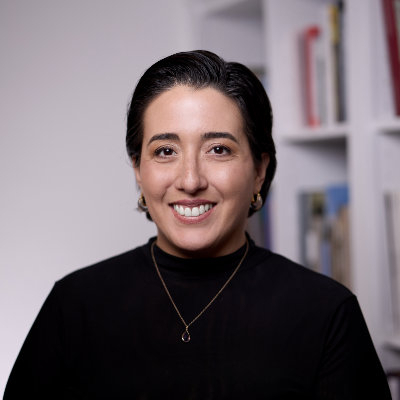
Marina Reyes Franco is ICI’s Curatorial Intensive Programs Manager. As such, she works to ensure that the Intensive continues to advance as a cohesive global program, with an alumni engagement strategy focused on accessibility, intentional community-building, and partnership across our global network. She is also an independent curator and writer based in Puerto Rico and is part of La Gran Bienal Tropical’s organizing team. Central to her curatorial practice is the examination of underrepresented histories and the ways in which tourism, colonial legacies, and economic conditions shape cultural production. Through research-driven exhibitions, collaborative projects, and artist commissions, she foregrounds critical perspectives on place, memory, and political imagination, with a focus on the Caribbean and its diasporas.
Thanavi Chotpradit (Assistant Professor, MA in Critical and Curatorial Studies of Contemporary Art (CCSCA) [Taipei])
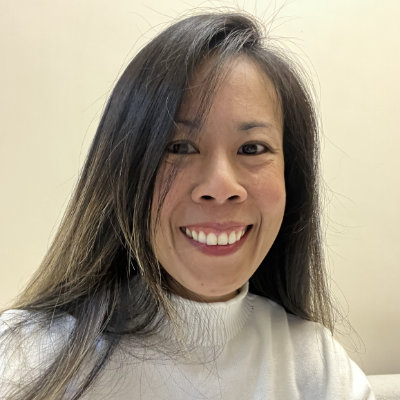
Thanavi Chotpradit is an art historian, independent curator, and member of the editorial collective of Southeast of Now: Directions in Contemporary and Modern Art in Asia, a peer-reviewed journal focusing on modern and contemporary art in Southeast Asia. She currently teaches in the MA in Critical and Curatorial Studies of Contemporary Art (CCSCA) at National Taipei University of Education in Taipei. With funding from British Academy, she co-organized the writing workshop series “Writing Modern and Contemporary Art in Southeast Asia” (2021), “Art Writing and Publishing in Southeast Asia” (2024) and “Art Writing and Publishing in Southeast Asia: Collectivity and Land Issues” (2026). In 2024, she was a Connecting Art Histories (CAH) Scholar at the Getty Research Institute, Los Angeles, and Scholar in Residence in the Sydney Asian Art Series, co-presented by the Power Institute and the Art Gallery of New South Wales.
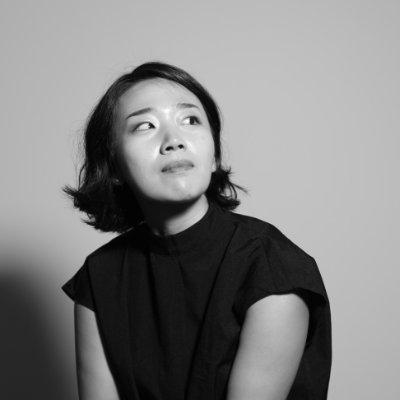
Mijoo Park (Project Manager, 2026 Gwangju Biennale Academy International Curator Course [Gwangju] / Director, m/m curatorial summer camp)
Mijoo Park (b. 1987) is a curator and producer whose practice focuses on building platforms for knowledge production and exchange beyond exhibition formats. She served as co-director of RAT school of ART from 2014 to February 2021, an alternative educational platform that aimed to expand the idea of learning. She is currently the Project Manager of the Gwangju Biennale International Curator Course (GBICC, 2026), and the Director of the M/M Curatorial Summer Camp (2023–) and A-O-Y (2025–). Park has curated exhibitions including Railway 0 (2024, Culture Station 284, Seoul), Desengaño (2023, Ateneo de Madrid), How Far, How Close (2023, Aranya Art Center), Neither Dark Nor Bright (2020, Weekend Seoul), and Wishy Washy Bodies (2017, Centre A, Vancouver). She has participated in the Fondazione Sandretto Re Rebaudengo Young Curators Residency Program in Madrid (2023), Mountain School of Arts (MSA) in Los Angeles (2019), and the Gwangju Biennale International Curator Course (2016), as well as collaborative research with Speedy Grandma in Bangkok (2023) and Load na Dito in Manila (2020).
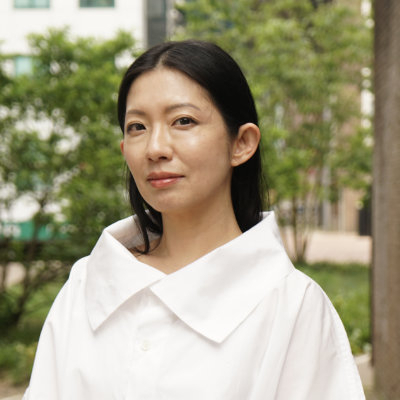
Mami Kataoka (Director, ICA Kyoto)
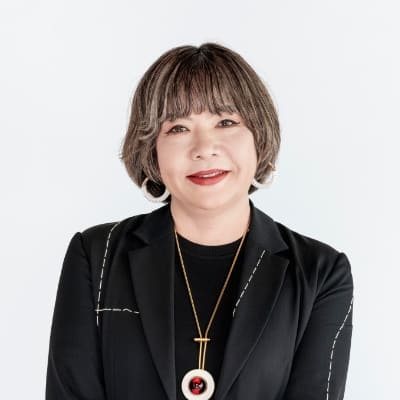
Director of Mori Art Museum, Executive Advisor of the National Center for Art Research (NCAR) Japan, and Director of ICA Kyoto at Kyoto University of the Arts Graduate School. Kataoka has led the curatorial team at Mori Art Museum since its inauguration in 2003 and was appointed Director in 2020. She served concurrently as International Curator at the Hayward Gallery, London (2007–2009). She has held the roles of Co-Artistic Director of the 9th Gwangju Biennale (2012), Artistic Director of the 21st Biennale of Sydney (2018), and Artistic Director of Aichi Triennale 2022. She is Co-Curator of the Helsinki Biennial 2027. At CIMAM (International Committee for Museums and Collections of Modern Art), she served as Board Member from 2014 to 2022, including as President from 2020 to 2022. She serves as Senior Director of the Mori Contemporary Art Foundation and Representative Director of the Fukushima Tomioka Art Foundation, among other roles. She is widely active as a member of numerous committees related to culture and the arts, juror for international art awards, and speaker at lectures and symposia.
Interlude
Masakuni Yamamoto (Chairman of the Technical Committee and National Team Director, Japan Football Association (JFA))
Born in Numazu City, Shizuoka Prefecture, Masakuni Yamamoto played football (soccer) for Kokushikan University and then Yamaha Motors (now known as Júbilo Iwata). Since retiring as a player in 1987, he has held a variety of leadership positions, including serving as a coach for Yamaha Motors, coach and head coach for the U-20 Japan national team, coach and head coach for the U-23 Japan national team, coach for the Japan national team, and head coach for Júbilo Iwata. After stepping down as head coach of Júbilo Iwata in June 2006, he has served as a commentator at NHK, visiting professor in the Faculty of Physical Education at Kokushikan University, and chairman of Azul Claro Suruga. In 2016, he was appointed vice chairman of the Japan Football Association’s Technical Committee. As national director since 2023, Yamamoto works to strengthen the Japan national team. Since October 2025, he has served concurrently as the JFA’s technical director, working to develop soccer in Japan, including developing players, training coaches, and promoting the sport.
Mami Kataoka (Director, ICA Kyoto)
*See “Session 1” for speaker profiles.
Session 2 Practices
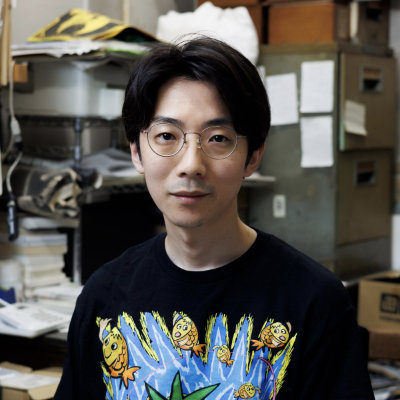
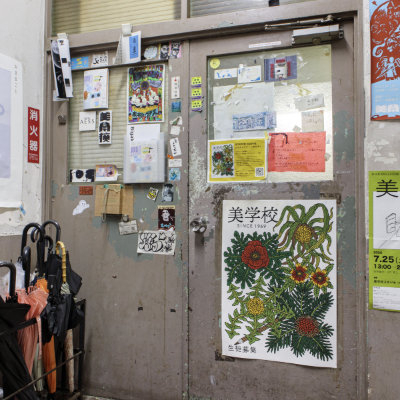
Masaru Kaido (Executive Director, Bigakko [Tokyo])
Born in Tokyo in 1984. After graduating from university, Kaido was approached by Kozo Fujikawa, then head of Bigakko, which at the time was facing challenges including declining enrollment, and began helping with the school’s operations as a volunteer. Since then, while continuing his own artistic practice, he has worked behind the scenes across virtually every aspect of Bigakko’s administration and operations. His work has included improving organizational processes, launching new courses, establishing a gallery space, organizing projects commemorating the school’s 50th anniversary, and planning and producing numerous exhibitions and events.
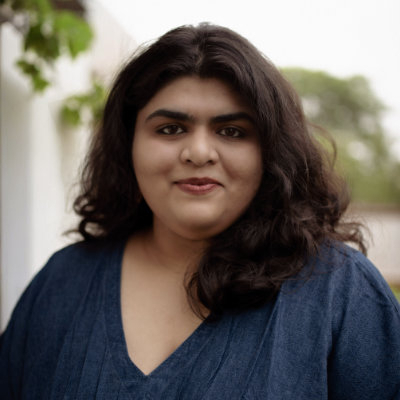
Gulmehar Dhillon (Curator and Programs Manager, Khoj International Artists’ Association [New Delhi])
Gulmehar Dhillon is a Curator and Programs Manager at Khoj International Artists’ Association, New Delhi. Along with the curatorial team at Khoj, she has ideated and facilitated a range of programs including the Khoj International Residency, which takes on a different thematic each year. Gulmehar was actively involved with the Art and Technology programme at Khoj, which unfolded across a residency, an exhibition, and an international symposium; she also facilitated the seventh edition of Khoj’s pedagogical initiative, Curatorial Intensive South Asia – a program for early-career curators in the South Asian and Iran region. Alongside her curatorial practice, Gulmehar is also a photographer. She holds a Master’s in Art History (Critical Curatorial Studies) from the University of British Columbia, Vancouver, and a Bachelor’s in Journalism from Kamala Nehru College, University of Delhi. She has previously worked with the Morris and Helen Belkin Art Gallery in Vancouver, and has contributed to ASAP | Art and Projects/Processes at the Serendipity Arts Festival.
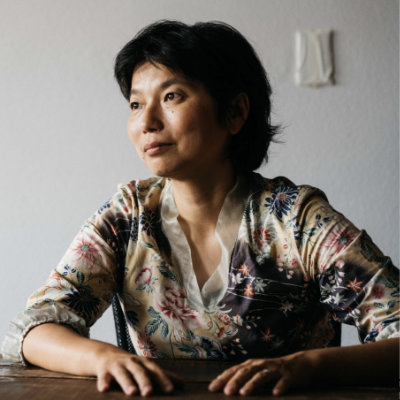
Fumi Yokobori (Co-Director, DANCE BOX [Kobe])
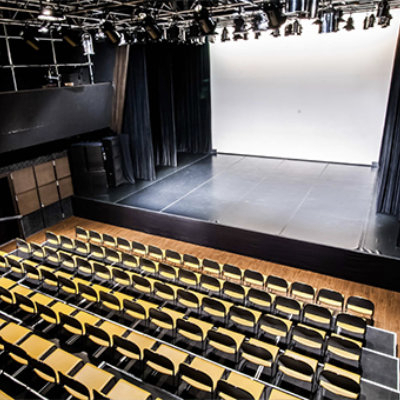
Fumi Yokobori is Co-Director of DANCE BOX. Based in Shin-Nagata, Kobe, and works at the Art Theater dB Kobe as her base of activity. She carries out most works/projects through residency creation, and aims to develop unique international programs in Shin-Nagata, an area where multiple cultures from various regions in the world co-exist. S She co-founded VIAN with her Vietnamese partner, through which she explores Vietnamese water puppetry in ways that engage deeply with Kobe’s local communities. She also serves on the board of ON-PAM (Open Network for Performing Arts Management).
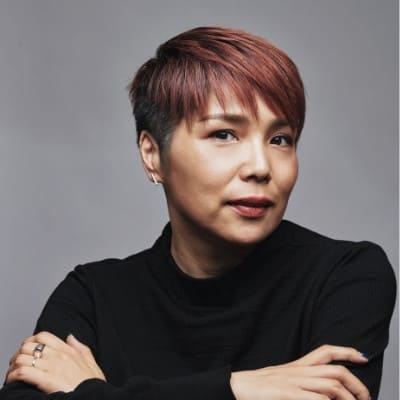
Kodama Kanazawa (Special Project Director, ICA Kyoto)
Contemporary art curator. Following 12 years at public art museums including the Contemporary Art Museum, Kumamoto, began working as an independent curator in 2013. Deals in domains outside the existing art framework, such as media art, manga, art and community, and art and disability. Has organized numerous exhibitions in Japan and overseas. Joint head of the consulting firm Code-a-Machine.
Session 3 Experiments
Daniel Späti (Founder and Coordinator, Transcultural Collaboration / Founder and Former Head of Shared Campus, ZHdK [Zurich and others])
Daniel Späti (1970) studied design and worked for Bally, a global fashion brand, in his early career. In 2001, he was appointed a lecturer at Zurich University of the Arts (ZHdK). In 2007, he initiated ZHdK’s first international and cross-disciplinary summer school. He further developed the summer school and acquired seven partner universities, launching the semester programme “Transcultural Collaboration” from 2015–2023. In 2017, he became head of ZHdK’s strategic initiative “Connecting Spaces Hong Kong – Zurich” (2013–2018). Based on their experiences and established network, Daniel and his team further developed this initiative into “Shared Campus,” a cooperation platform for international education formats, research networks and joint productions comprising up to 13 arts universities. From 2019–2025, Daniel led the Shared Campus Management Team. He has also contributed to research projects and published on topics of events and city development. Alongside his university activities, he has been organising festivals, concerts, club events and performances across Switzerland since 2004.
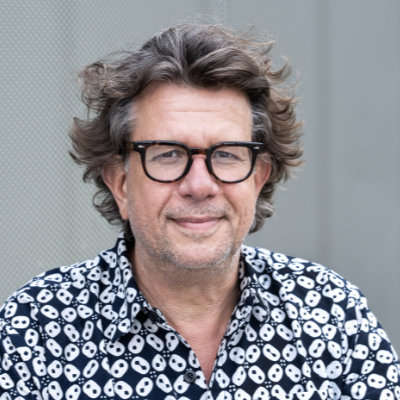
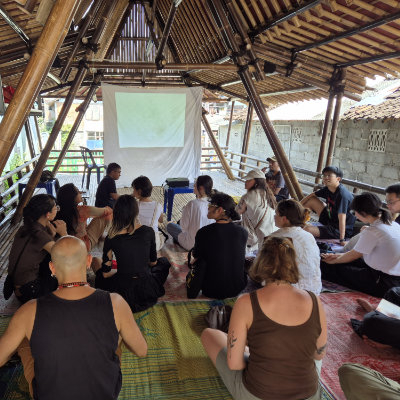
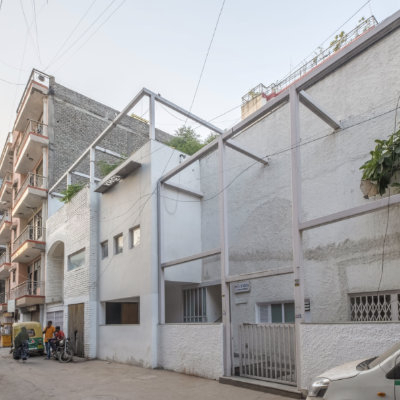
Keisuke Oka (Architect / Creator of Arimasutonbiru / Director, Takayama Architecture Seminar School [Hida])
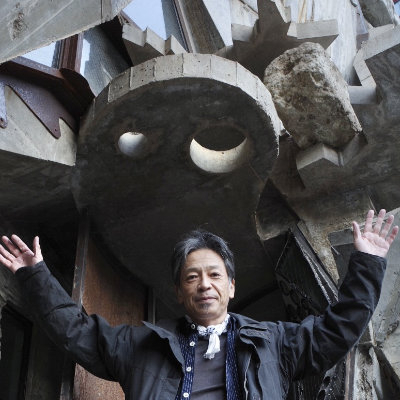
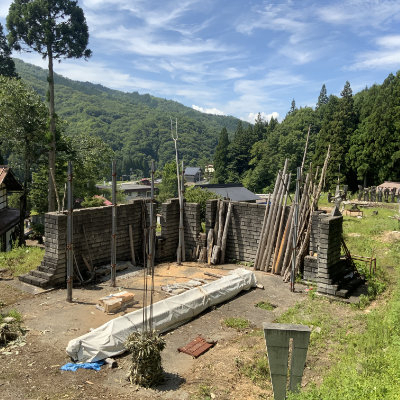
Oka first participated in the Takayama Architecture Seminar School in 1988, at the age of 22. In 2000, the school’s founder and head, Yasuo Kurata, passed away, and Oka took responsibility for running the school that same year—a role he continues to hold today. Building on what he learned at the school, in 2005 Oka began constructing a small building in Mita, Tokyo, which he named “Arimasutonbiru”, working on it himself together with an ever-changing group of collaborators. During the long construction process, a massive redevelopment project began around the site, putting the building at risk of demolition. Oka fought to preserve it and ultimately overcame the crisis, and in 2026 the building successfully passed its final inspection. Oka has been uncompromising in his pursuit of concrete quality, and many researchers have said that the resulting structure could last for two or even three hundred years. At the same time, Arimasutonbiru was created without conventional architectural drawings, emerging instead through an improvisational process involving many people. The result is a richness and variety of expression rarely seen in contemporary architecture.
Takuya Tsutsumi (Program Director, ICA Kyoto)
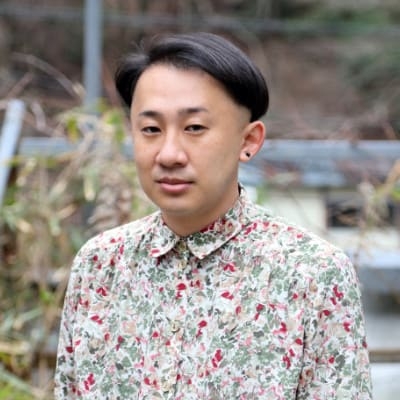
After completing an MA in Cultural Studies at Adam Mickiewicz University in 2019, Tsutsumi has focused on creating ephemeral, performative experiences, with a particular interest in non-institutional practices across Asia. Since 2018, he has served as Co-Program Director of Yamanaka Suplex, a shared studio in Shiga Prefecture.
Closing
Discussion
Jo-Lene Ong (Curator, Buro Stedelijk [Amsterdam])
Jo-Lene Ong is Curator of Buro Stedelijk, an independently managed multidisciplinary experimental platform within the Stedelijk Museum Amsterdam. Her practice centres on collaboration, research and long-term projects that reconsider how institutions work with artists and audiences. She develops programmes that foreground shared authorship, sustained dialogue and public engagement. Ong was previously Curator at esea contemporary in Manchester and Program Advisor for the 12th Seoul Mediacity Biennale. Her curatorial work includes projects with Sharjah Biennial, Hartwig Art Foundation, Framer Framed, the National Art Center Tokyo and the Mori Art Museum. From 2020 to 2024, Ong was a theory tutor at the Gerrit Rietveld Academie and is an alumna of the De Appel Curatorial Programme (2017–2018).
Mami Kataoka (Director, ICA Kyoto)
*See “Session 1” for speaker profiles.
Kazuya Nakayama (Deputy Director, ICA Kyoto)
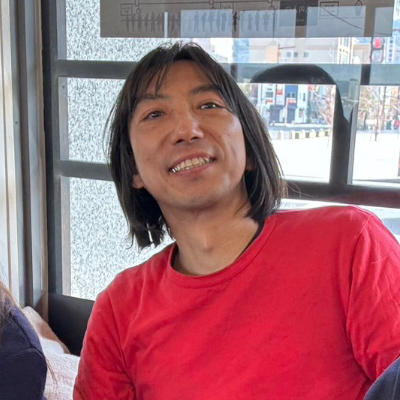
Worked in the ateliers of Jean-Luc Vilmouth, Guillaume Paris, Tadashi Kawamata as a guest researcher at École Nationale Supérieure des Beaux-Arts de Paris, France (until 2017). He pretends to be in Paris when he is not, goes to a museum with a water buffalo and floats an eggplant in the Adriatic Sea. Art book “The banana jam jar lid could not be opened, so mom switched to another banana jam jar and asked dad to open the lid on that one, we all ate crepe with this banana jam on it. (main title is in French)”, published by well, 2023.
Takuya Tsutsumi (Program Director, ICA Kyoto)
*See “Session 3” for speaker profiles.
Kodama Kanazawa (Special Project Director, ICA Kyoto)
*See “Session 2” for speaker profiles.
Credits
- Supervising DirectorMami Kataoka (Director, ICA Kyoto)
- DirectorTakuya Tsutsumi (Program Director, ICA Kyoto)
- General CoordinatorChiho Shimizu (Managing Director, ICA Kyoto)
- CoordinatorMoemi Nagi
- Stage ManagerKodachi Kitagata
- SoundMina Hayashi
- Video ProjectionDaiki Honda
- Graphic DesignAtsuko Takeuchi
- Sourcebook EditorJoyce Lam
- Sourcebook DesignToshiyuki Nakaie
- Website ProductionMasaki Nakamoto (UNGLOBAL STUDIO KYOTO), ym design (Yusuke Mimasu, Mayumi Suzuki, Hana Nakano), Kazuki Akiyama (And Arc)
- PhotographyTomoharu Yamatsuki
- Interpreter (Simultaneous)Simul International, Inc.
- Cateringyurinx, nanaoro
- Event SupportGraduate School Office, Kyoto University of the Arts (Mayuko Jinta, Haruka Murakami, Eri Ueda), Academic Affairs, Graduate School (Saiko Miura, Chihiro Nawata, Kimie Tsutahara)
Inquiries
- ICA Kyoto, Kyoto University of the Arts
- 2-116 Kitashirakawa Uryuyama, Sakyo-ku, Kyoto, Japan 606-8271
- +81 (75)-791-9167
- MAIL: info-icakyoto@office.kyoto-art.ac.jp


Previous Symposium
ICA Kyoto | International Symposium 2025
Layers of Art Ecosystems: Making Actors Visible in Local and Global Scenes
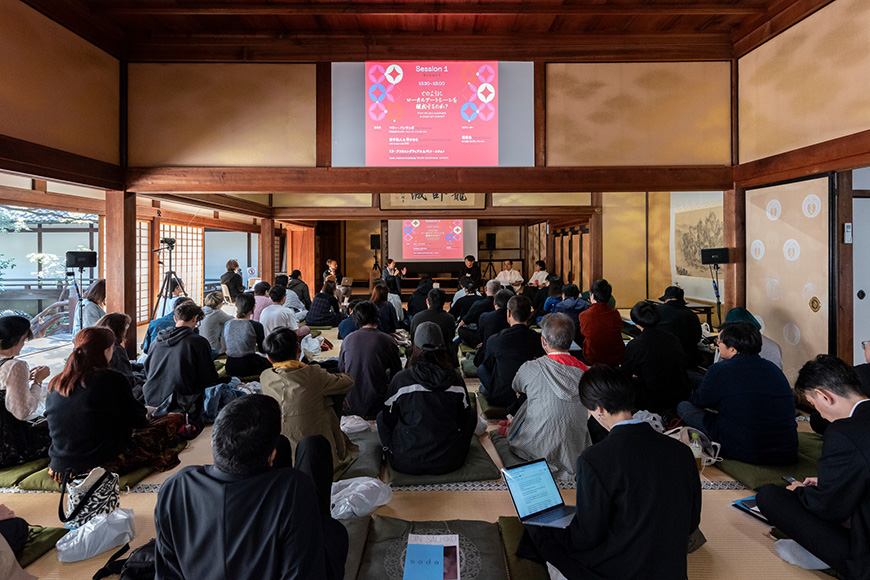
A full account of ICA Kyoto International Symposium 2025, where players from across Asia gathered in Kyoto to explore the contemporary art ecosystem — its multiple layers, and the individual connections that hold it together.