
Out of Kyoto
004 Two retrospectives the pundits ought to have seen
By Ozaki Tetsuya
- SHARE


Photo: Yanagihara Ryohei
At the end of every year, newspapers, art and other media outlets publish lists of the year’s “best exhibitions.” One does wonder about lists that mix art shows with other events, or are written by people who include overseas exhibitions when most lists are devoted solely to those in Japan. There are also articles barely worth reading because those making the selections seem scantly qualified to do so, and likely just compiling a list of names. In saying this, read through the exhibitions selected, and a dim picture of the latest trends does begin to form.
A cursory glance at two or three media revealed something unexpected: the absence of any mention of “Tono Yoshiaki and Postwar Art”1 staged at the Toyama Prefectural Museum of Art & Design, or “Arata Isozaki: Archipelagos of Architecture”2 at Art Tower Mito. To be absolutely certain, I checked and rechecked four newspapers and three online magazines,3 and found that of the total of 260 shows nominated by 68 selectors across seven different media outlets, these two had been listed by only one writer each respectively.4 Perhaps the venues being located outside the Tokyo metropolitan area had something to do with this.
Born in 1930, Tono Yoshiaki suffered a stroke in 1990, and died in 2005. Along with Takiguchi Shuzo (1903–1979), he was one of only a handful of go-between figures who kept Japan informed of contemporary overseas art trends in close to real time. Traveling to Europe initially in 1958, Tono subsequently made two more trips in the years up to 1960, touring Europe, the United States, and Mexico. This period coincided with the transition from abstract expressionism to pop art, and saw the birth of Neo-Dada, and the nascent reappraisal (or rather “rediscovery” or “discovery”) of Marcel Duchamp. In 1962 Tono met the man dubbed the father of contemporary art for the first time, through sculptor Jean Tinguely. From that point on, researching and writing about Duchamp was to become a lifelong endeavor for Tono.5
Following Tono’s collapse, there was a notable decline in worthwhile overseas art news in Japan. Although Japanese art enjoyed a brief moment in the sun in the 1990s, on the back of the nation’s high-flying economy, it then became isolated from work of international standard, choosing instead the path of provincial complacency. Particularly regrettable was the waning interest in Duchamp.6 Even after his death in 1968, the putative “father” had remained a topical figure, continuing to command attention with the revelation of a secret last work, Étant donnés, and the staging of a Duchamp exhibition to mark the opening of the Pompidou Centre in 1977. Japanese art magazines also put together frequent special features on Duchamp, with Tono appearing as a contributor or speaker in most. Tono also translated several Duchamp-related books. Marcel Duchamp was published in 1977, and Marcel Duchamp: Isakuron igo (Marcel Duchamp: Theories on his posthumous work and beyond) in 1990, before his prolific career in writing amid much more, was brought to an abrupt end that same year.
It was Isozaki Arata who reflected, “Our understanding of every art-world concept came via Tono.”7 Isozaki was born in 1931 (died 2022), making him a contemporary of Tono. Part of the same intellectual milieu, the pair’s association was characterized by just the right degree of distance, both also interacting individually with a plethora of artists across different genres and nationalities. To cite just one example of their relationship, Tono was the translator of Buckminster Fuller’s Operating Manual for Spaceship Earth, and met Fuller with Isozaki when the American architect visited Japan.8 Though not entirely of course, to an extent one also wonders if Tono’s “understanding of architectural concepts, came via Isozaki.”
The Tono exhibition was organized in chronological fashion, with brief career notes at the start of each section that in themselves provided a potted history of how contemporary art had been received in Japan down the decades. Most exhibits were works from the Toyama Prefectural Museum of Art & Design collection, but the show also included items formerly owned by Tono and Takiguchi. Archive photographs showed Tono chatting companionably with the likes of Michel Tapié, André Breton, Sam Francis, Jasper Johns, and Andy Warhol. A photo from the making of The Large Glass Tokyo Version contained Teeny Duchamp. There were documentary photos of the “Twenty Questions to Bob Rauschenberg” event organized by Tono, and various exhibitions. Dotted around the galleries were also articles Tono had written for magazines, and books he had authored.9
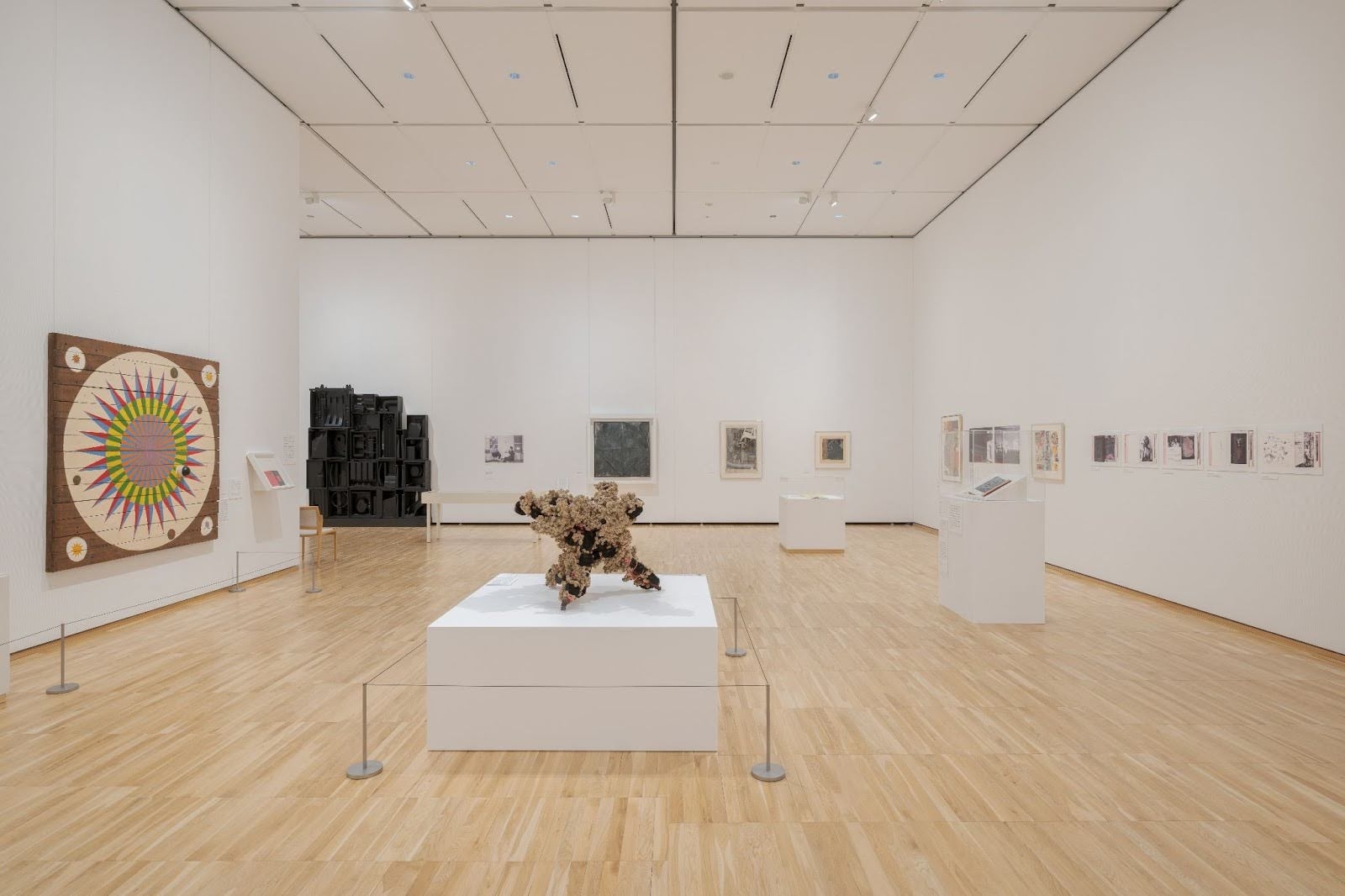
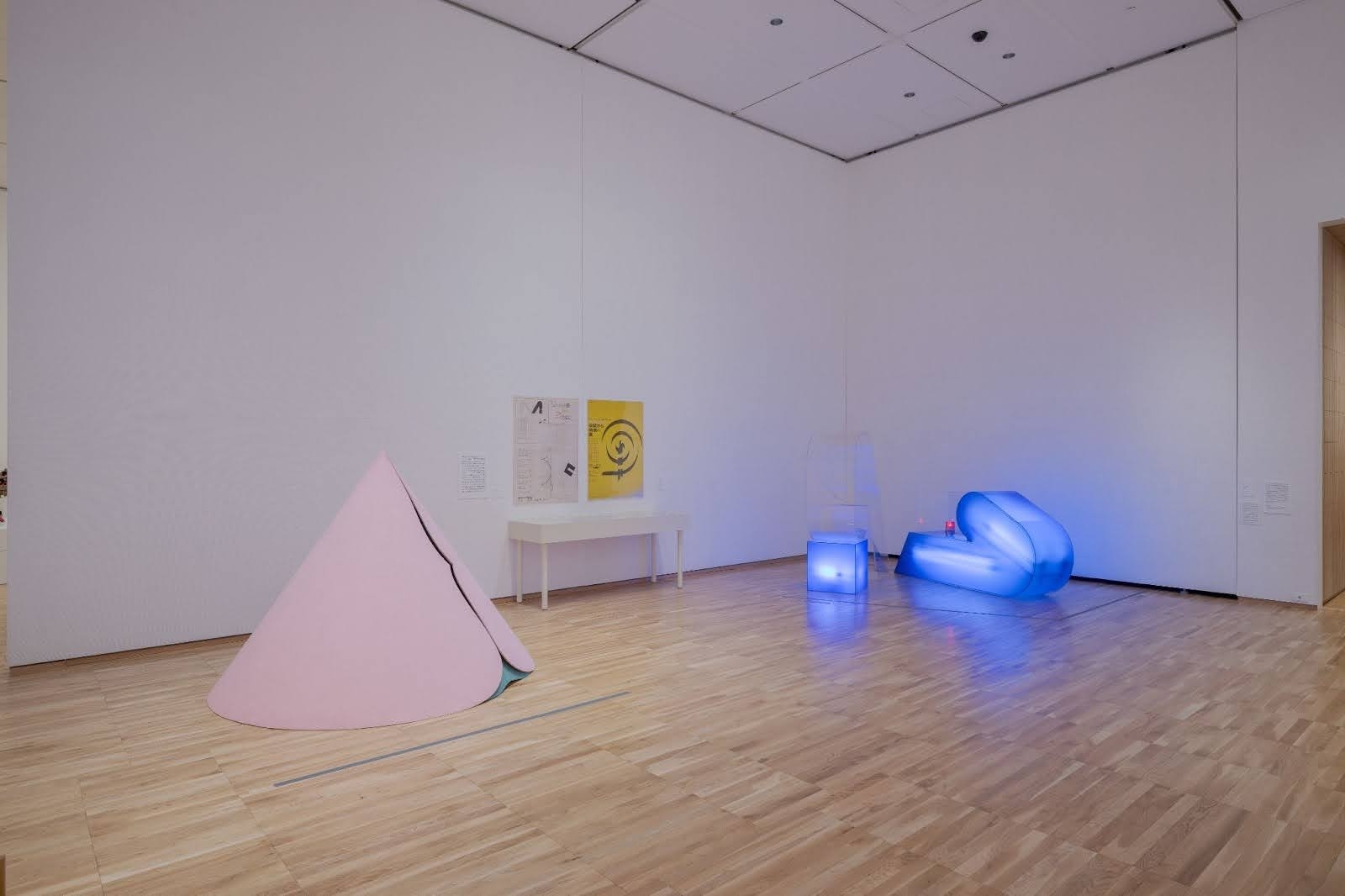
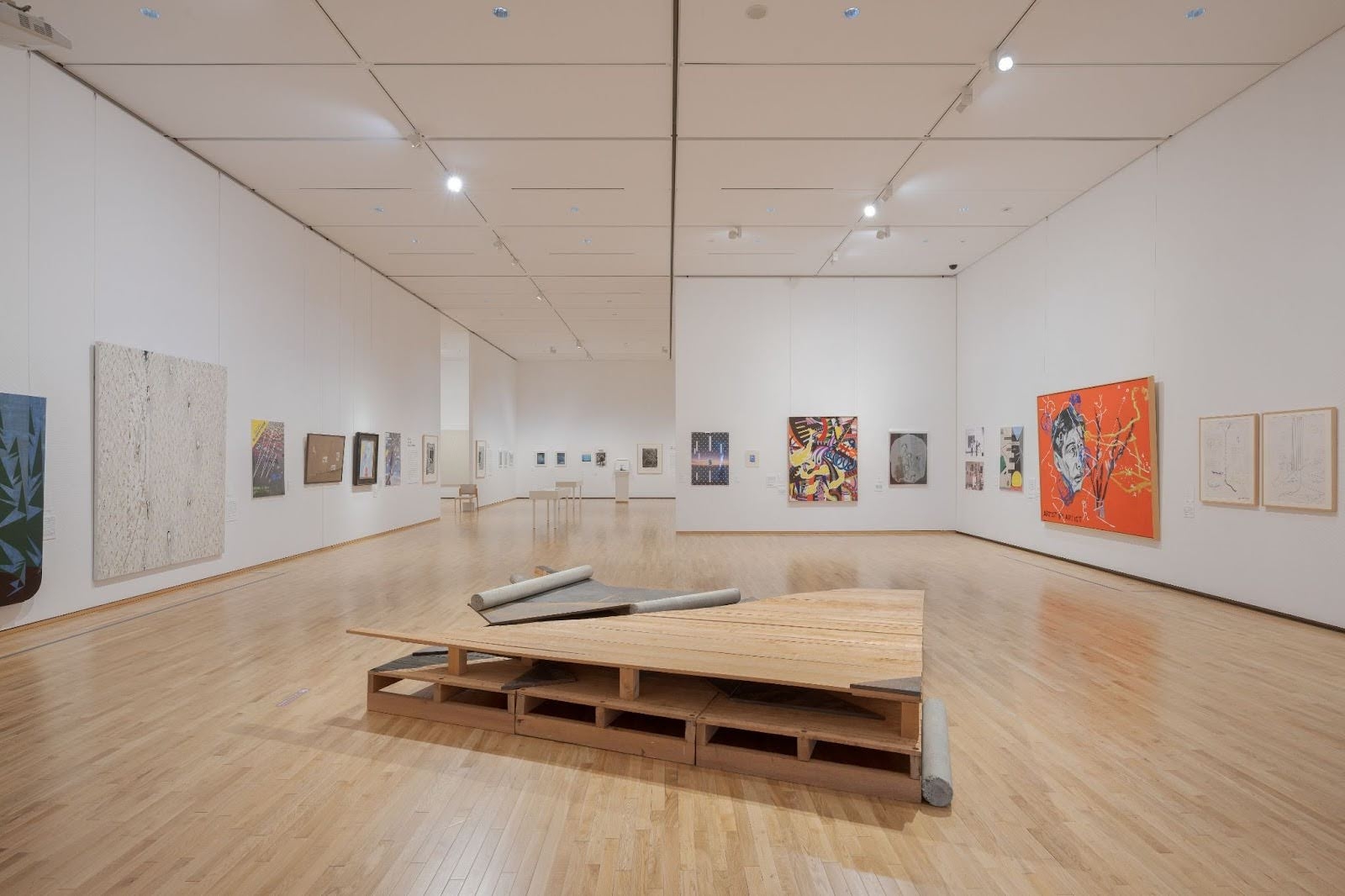
Installation views: “Tono Yoshiaki and Postwar Art,” Toyama Prefectural Museum of Art & Design, 2025.
Photos: Yanagihara Ryohei
It is impossible for us today to view art presented half a century ago through the eyes of audiences at the time. But with suitable reference material on the background to those works, we can at least try to imagine the atmosphere. The Tono exhibition succeeded as a retrospective in that sense. Because Tono was not an artist, perhaps retrospective is not the right term. Yet the captions contained quotes from Tono’s own writings, and visitors were able to view the many works on display in the galleries alongside Tono’s personal appraisals of them. To my mind the exhibition managed to reflect on Tono’s life as a critic and curator, while simultaneously conveying the covert thrill and quiet euphoria of a time when this country was still tenuously preserving a connection with world-class art.
Similar could be said for the Isozaki show. The majority of the over 30 models featuring his best-known designs were made of wood, and uncomplicated yet refined in appearance. Like the Tono exhibition, the displays were set out in chronological order for the most part, with archival footage including interviews with the architect, helping visitors to understand the design concepts. Once they had finished looking at the models, visitors were greeted by recreations of Isozaki’s Re-Ruined Hiroshima and Takamatsu Jiro’s Poles and Space, from the “MA; Space-Time in Japan” exhibition that toured six European and American centers between 1978 and 1981. Beyond this was also a room with a collection of prints and drawings rarely seen in public. Above all, Art Tower Mito is itself a building by Isozaki. There was also footage of a speech made by the architect in 2004 on stepping down as director of the second Yokohama Triennale, in which he proffered a scathing critique of “curator hubris” at a symposium attended by a lineup of the country’s leading curators. I was reminded of how much I had always admired Isozaki’s skill in a skirmish.10
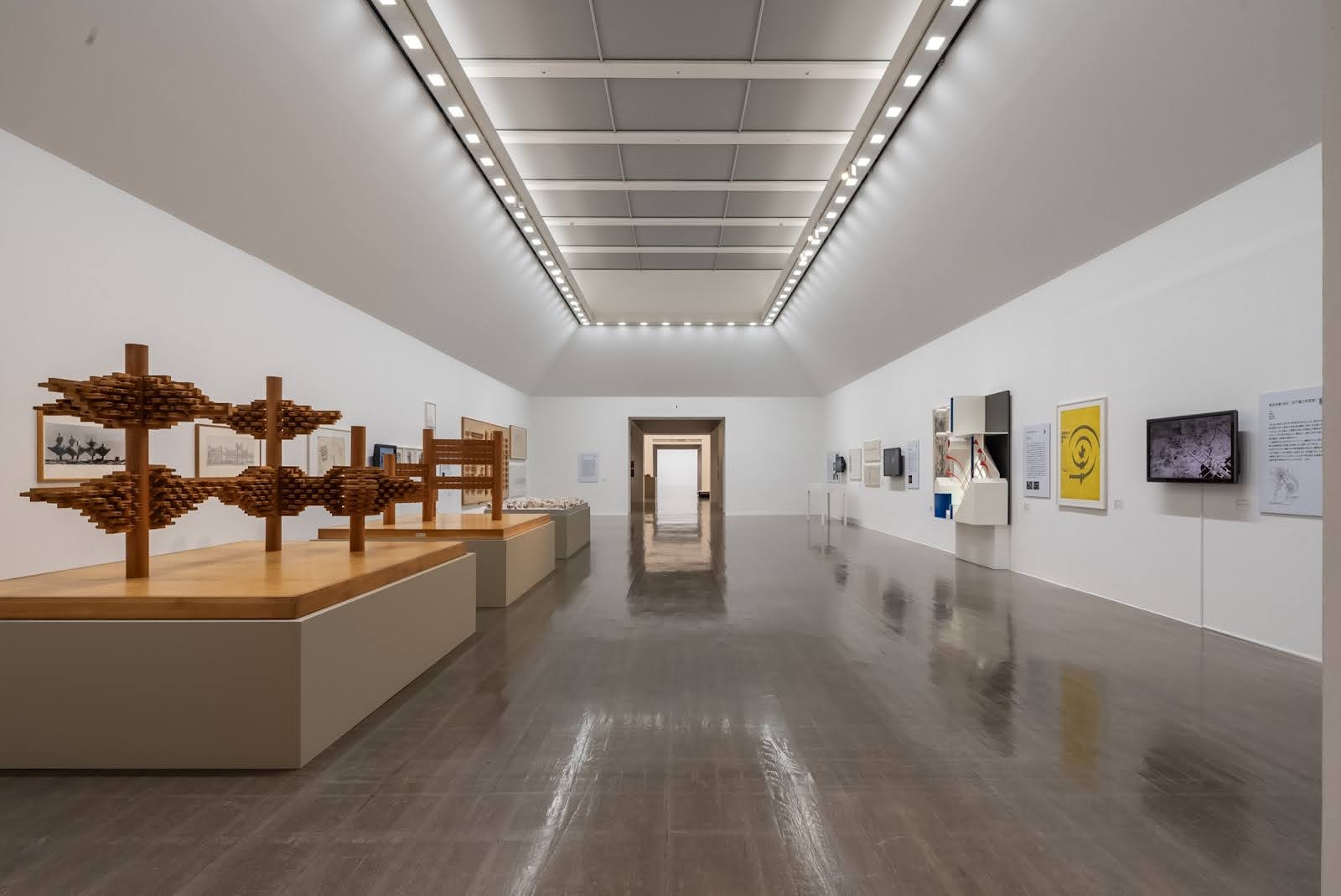
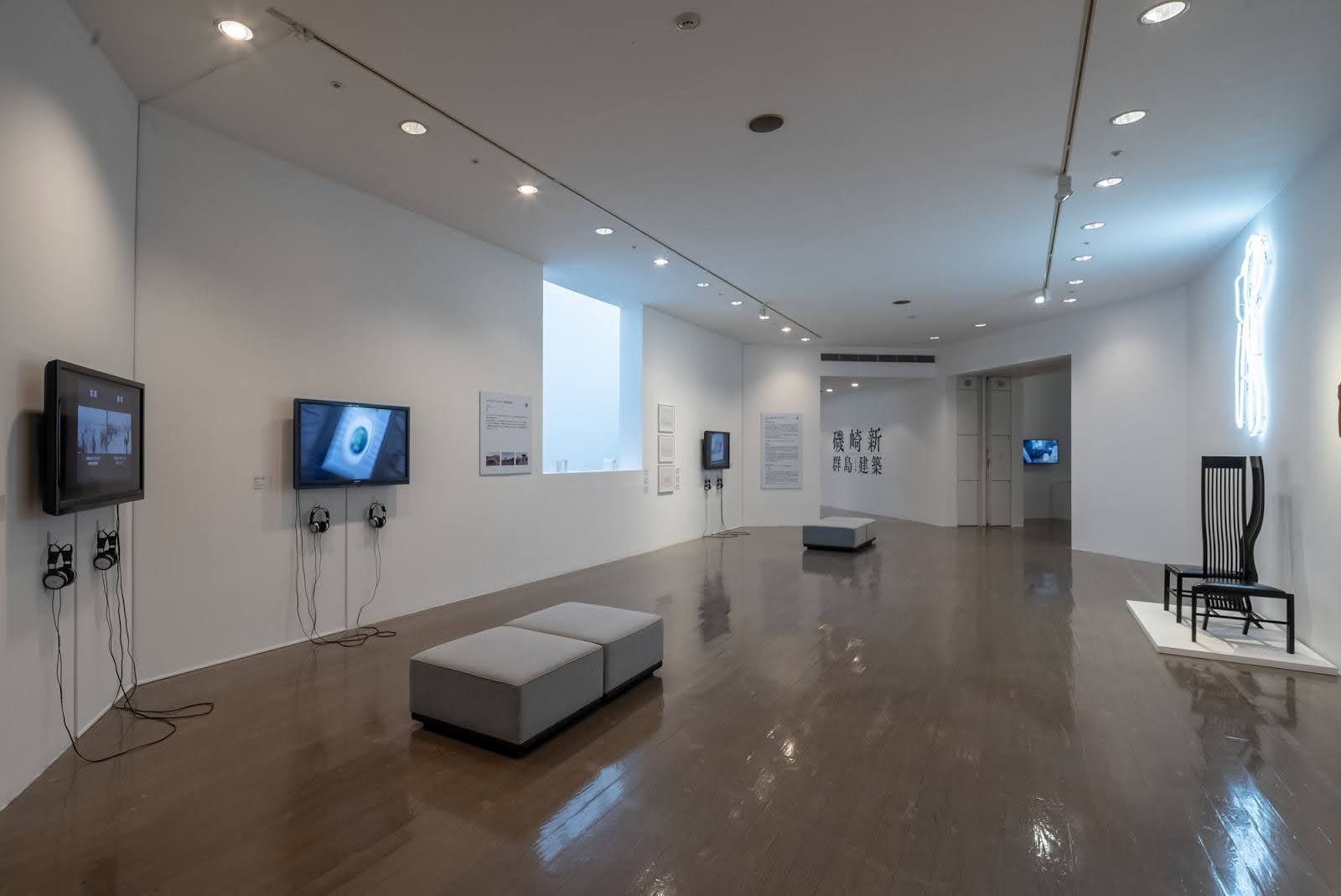
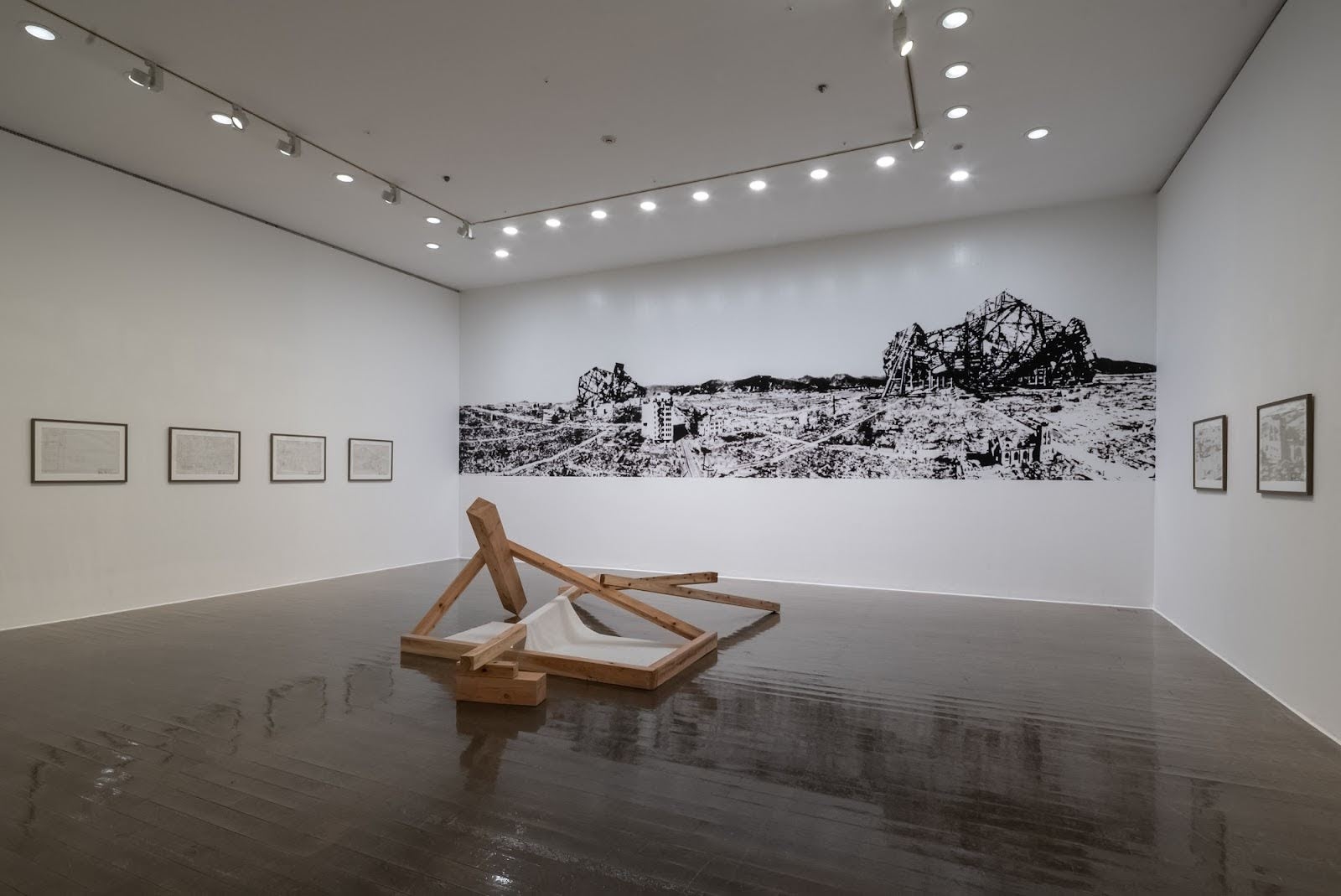
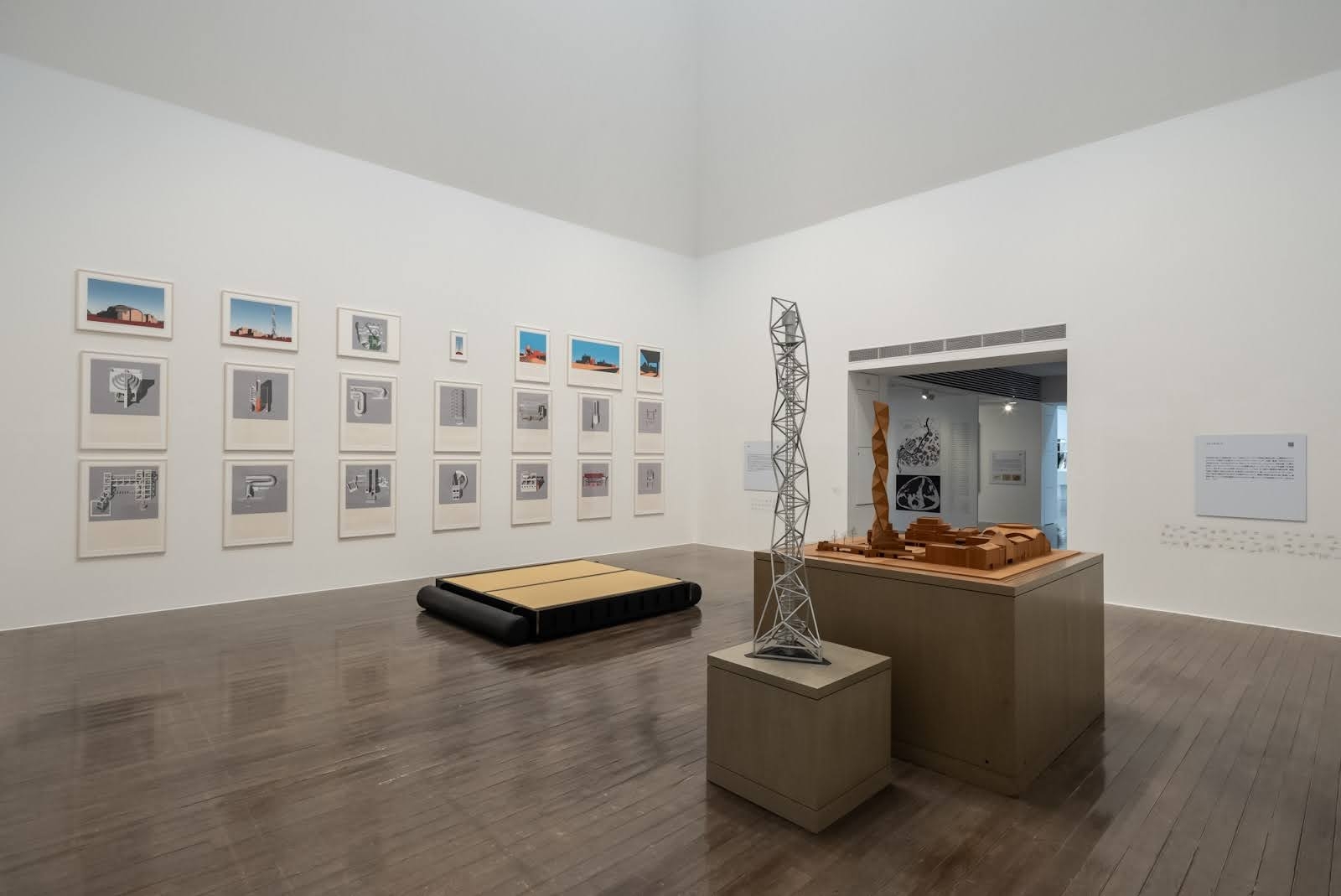
Installation views of “Arata Isozaki: Archipelagos of Architecture,” Art Tower Mito, 2025.
Photos: ToLoLo studio
The two exhibitions described here would be worth restaging in their present form every ten years, in my view. That both succeed is mainly due, in basic terms, to the straightforward, orthodox nature of their curation. As many of the artist or architect’s leading works as possible have been selected following careful investigation; works, models and so on displayed in as close to chronological order as possible; and necessary and appropriate information provided to help viewers understand changes in the person’s interests and preferences over the years, and the times in which they lived. The approach is similar to that of the way any decent cook will choose the finest seasonal ingredients, thoughtfully arrange courses in a particular order, and choose tableware to complement the food perfectly, plus flowers and perhaps some calligraphy appropriate for the time of year, before welcoming their guests.11
Isozaki’s 2004 comments did trigger a backlash in the art world, but that world was obviously no serious match for the “Demiurge”12 in either aspiration or ability. Both Tono and Isozaki were highly knowledgeable when it came to historical and contemporary matters, and never stopped adding to that knowledge. Among those nominating “this year’s best exhibitions” were a number of curators, both young and mid-career, but why did they not go to these exhibitions? (One can only assume they did not, because if they had, there is no way they would not have included them). This strikes me as a great pity, considering how much they could have learned from two shows that deserve to be recognized as valuable testimony to the richness of contemporary cultural history.
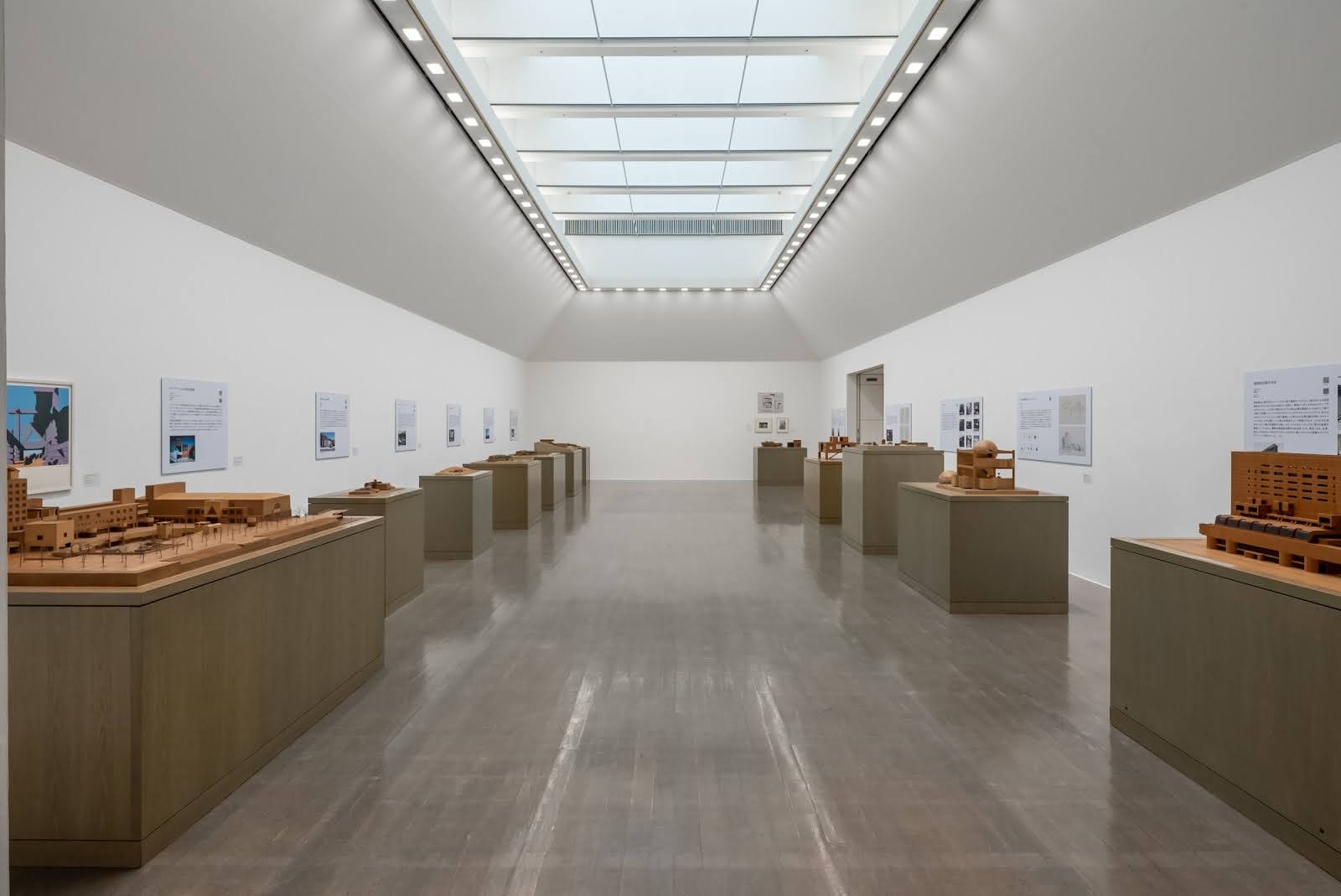
Installation view: “Arata Isozaki: Archipelagos of Architecture,” Art Tower Mito, 2025.
Photo: ToLoLo studio
2. “Arata Isozaki: Archipelagos of Architecture,” November 1, 2025–January 25, 2026, Art Tower Mito.
3. Yomiuri Shimbun (morning edition, December 17, 2025), Mainichi Shimbun (evening edition, December 22, 2025), Asahi Shimbun (evening edition, December 23, 2025), Nihon Keizai Shimbun (morning edition, December 9, 2025), Bijutsu techō “30-nin ga erabu 2025-nen no tenrankai 90 [90 exhibitions of 2025 selected by 30 people] (December 8–30, 2025), Tokyo Art Beat “2025 besuto tenrankai” [Best exhibitions 2025] (December 15–31), Pia “Pia shippitsu-jin ga erabu 2025-nen no mai besuto” [Pia writers select my best of 2025] (December 25, 2025). Three selectors duplicated. Nor did either exhibition make it into either Bijutsu techō’s “Dokusha ga erabu 2025-nen no besuto tenrankai” [Readers’ Choice: Best 3 exhibitions of 2025] or Tokyo Art Beat’s “Tabu yūzā ga 1 man ken o koeru tenrankai kara eranda toppu 30” [Top 30 exhibitions selected by TAB users from over 10,000 Events].
4. The Tono exhibition was selected by Ogawa Atsuo (Tokyo Art Beat); the Isozaki exhibition by Tatehata Akira (Yomiuri Shimbun)
5. Although it was not included in the Tono exhibition, “Gendai Amerikaten ni fuman no Amerikajin Gurīnbāgu” [Greenberg, an American unhappy with contemporary American exhibitions], an interview with Clement Greenberg published in the January 1967 issue of Geijutsu shinchō (pp. 68–71) in which Tono, as a Duchampian and a devoted friend and follower of Jasper Johns, boldly debates Abstract Expressionism’s greatest champion, is remarkable.
6. Kitayama Kenji’s Japanese translation of The Essential Writings of Marcel Duchamp (edited by Michel Sanouillet) was published in 1995, followed in 2003 by Kinoshita Tetsuo’s translation of Calvin Tomkins’s Duchamp: A Biography, and in 2004–05, the exhibition “Mirrorical Returns: Marcel Duchamp and the 20th Century Art,” curated by Hirayoshi Yukihiro, was held at the National Museum of Art, Osaka, and the Yokohama Museum of Art. Despite these rare and invaluable efforts, I feel that the reception of Duchamp in Japan has declined significantly in both quantity and quality.
7. From the blurb on the obi (wraparound band) of Kyozō no jidai: Tōno Yoshiaki bijutsu hihyō-sen [The age of the simulacrum: Selected art criticism of Tono Yoshiaki] (2013), ed. Shigeru Matsui and Yasuko Imura. Originally “Art-world concepts changed at a dizzying pace, but we understood them all via Tono.” from Isozaki Arata, “Hankaisō: ‘ore wa hyōronka janakute hihyōka nanda’ to itta Tōno Yoshiaki no koto o omoidashite mita” [Anti-reminiscence: Remembering Yoshiaki Tono, who once said, “I’m not a commentator, I’m a critic”] in, ibid., 316.
8. Composer Roger Reynolds and music critic Akiyama Kuniharu were also said to be in attendance. (Tono Yoshiaki, “Translator’s afterword,” in R. Buckminster Fuller, Operating Manual for Spaceship Earth, 1968/1972, 193).
9. The exhibition catalogue Tono Yoshiaki and Postwar Art includes a comprehensive bibliography of his writings, and features the majority of the archival photographs that were on display.
10. While not a complete transcript, Yokohama Conference 2004: Why International Exhibitions? (planned by the Tatehata Seminar, Department of Art Studies Tama Art University; 2005) was published in book form.
11. In response to the 2014 exhibition “Jiro Takamatsu: Mysteries” at the National Museum of Modern Art, Tokyo, and the 2015’s “Jiro Takamatsu: Trajectories of Work” at the National Museum of Art, Osaka, Asada Akira criticized the former for having “a paucity of actual works” and commentary that was “largely unfocused,” dismissing it as “what might be called ‘A Jiro Takamatsu Mystery World for Good Boys and Girls.’” Conversely, he praised the latter as a “substantial exhibition spanning the entire museum that properly traces the artist’s trajectory chronologically without resorting to gimmicks.” (Asada Akira, “Gendai bijutsu no hādokoa wa jitsu wa sekai no takara de aru” ka?!” [Is “hardcore contemporary art truly a world treasure”?!], RealKyoto, March 31, 2015.]
12. See Isozaki Arata, Zōbutsushugiron: Demiurugomorufisumu [Constructivism: Demiurgomorphism] (1996); Demiurgos (2023); and Gendai shisō, March 2020 special issue: “Isozaki Arata.”
(All accessed Feburary 25, 2026)About the series
In “Out of Kyoto” writer and art producer Ozaki Tetsuya covers topical issues in the arts and wider culture, exploring the state of artistic expression today, from an historically-informed perspective.
Ozaki Tetsuya
Writer/arts producer. Launched the online culture magazine REALTOKYO in 2000, and the contemporary art magazine ART iT in 2003. General producer of the performing arts program for Aichi Triennale 2013. Served from September 2012 through December 2020 as publisher and editor-in-chief of the online culture magazine REALKYOTO, and from February 2021 through March 2025 as editor-in-chief of REALKYOTO FORUM. Editor and author of the photo books One Hundred Years of Idiocy and its sequel One Hundred Years of Lunacy >911>311; author of Gendai āto to wa nani ka (What is contemporary art?) and Gendai āto o korosanai tame ni (So as to not kill contemporary art). Awarded the Chevalier of the Order of Arts and Letters by the French Government in 2019.