
What Lies in the Multiplicity of the Art Ecosystem?
A Report on ICA Kyoto | International Symposium 2025 — Part 1
By Watanabe Ayumi
- SHARE


All photos: Haruka Oka
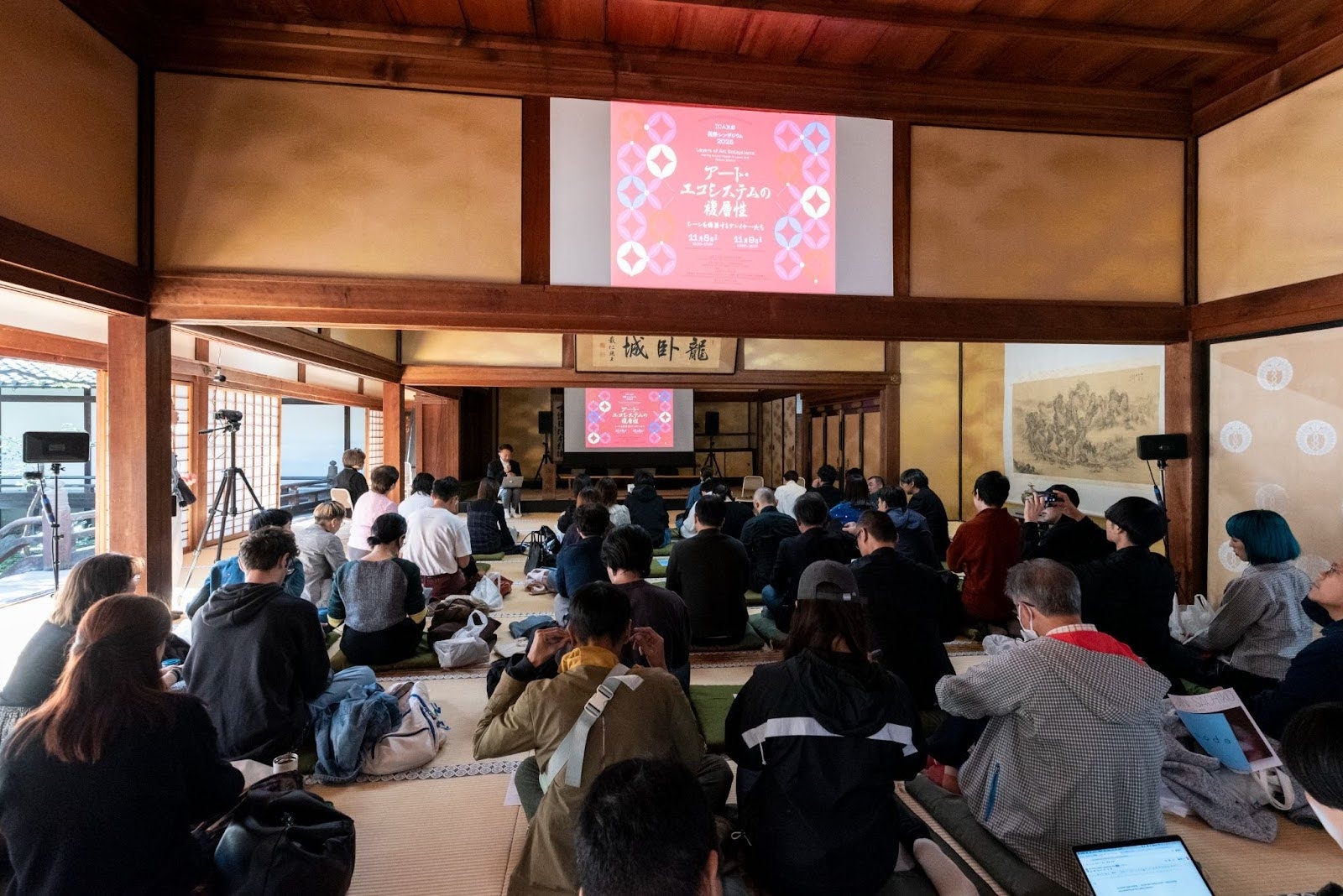
In November 2025, amid the damp, rainy streets of Kyoto, the “ICA Kyoto | International Symposium 2025: The Multiplicity of the Art Ecosystem — Players Who Build the Scene” took place at Bukköji Temple’s Byakkoin Hall. The two-day symposium marked ICA Kyoto’s first major international initiative since they relaunched their platform in April 2025. ICA Kyoto operates as an affiliated institution of the Kyoto University of the Arts Graduate School as “an open platform connecting Kyoto with the world.”1
The institution previously organized an international symposium in 2022, 2 where discussions centered on building networks beyond existing cultural and institutional frameworks and exploring the latent potential of cultural resources in individuals, objects, and capital. This current iteration built upon these previous conversations while widening its scope of presenters from different regions, generations, roles, and modes of practice. The goal was to put into perspective the diverse environments, organizations, and communities surrounding contemporary art and seek ways to work together across regions in Asia.
Speaking of which, what does the key phrase “multiplicity of the art ecosystem” mean? Tsutsumi Takuya, Program Director of ICA Kyoto describes the art ecosystem as “the ways in which diverse agents of artists, curators, cultural practitioners, venue organizers, audiences, students, collectors, the public, private and civic sectors, and educational institutions interact and create a scene together.” 3 Back at a panel event in April 2025, Tsutsumi evaluated the art scenes in Kyoto and other Asian cities through four sectors: education, public, private, and civic, along with each city’s quirks and characteristics.4
Each sector within this diagram contains intricate layers—in other words, multiplicities. These include: “education” with universities and research institutions; “public” with local or national municipal museums along with arts festivals; “private” with art fairs, commercial galleries, auction houses, and corporate supporters; and “civic” with independent spaces, shared studios, and nonprofit organizations. These four major sectors correspond to different operating entities and structures, and within them, institutions, organizations, and spaces with different roles, characteristics, and scales coexist, influence, and interact with one another in a manner that can be described as “the multiplicity of the art ecosystem.”
The map that Tsutsumi presented is based on firsthand experience and insights he gained on the ground by visiting different areas and interacting with the people there. Although I’m jumping ahead to the closing reflections later in my report, it was precisely these encounters between individuals that formed the central focus of the symposium, spanning discussions on the “local” and “global.”
The symposium addressed five main topics across two days. This report will summarize its presentations and discussions in each session.
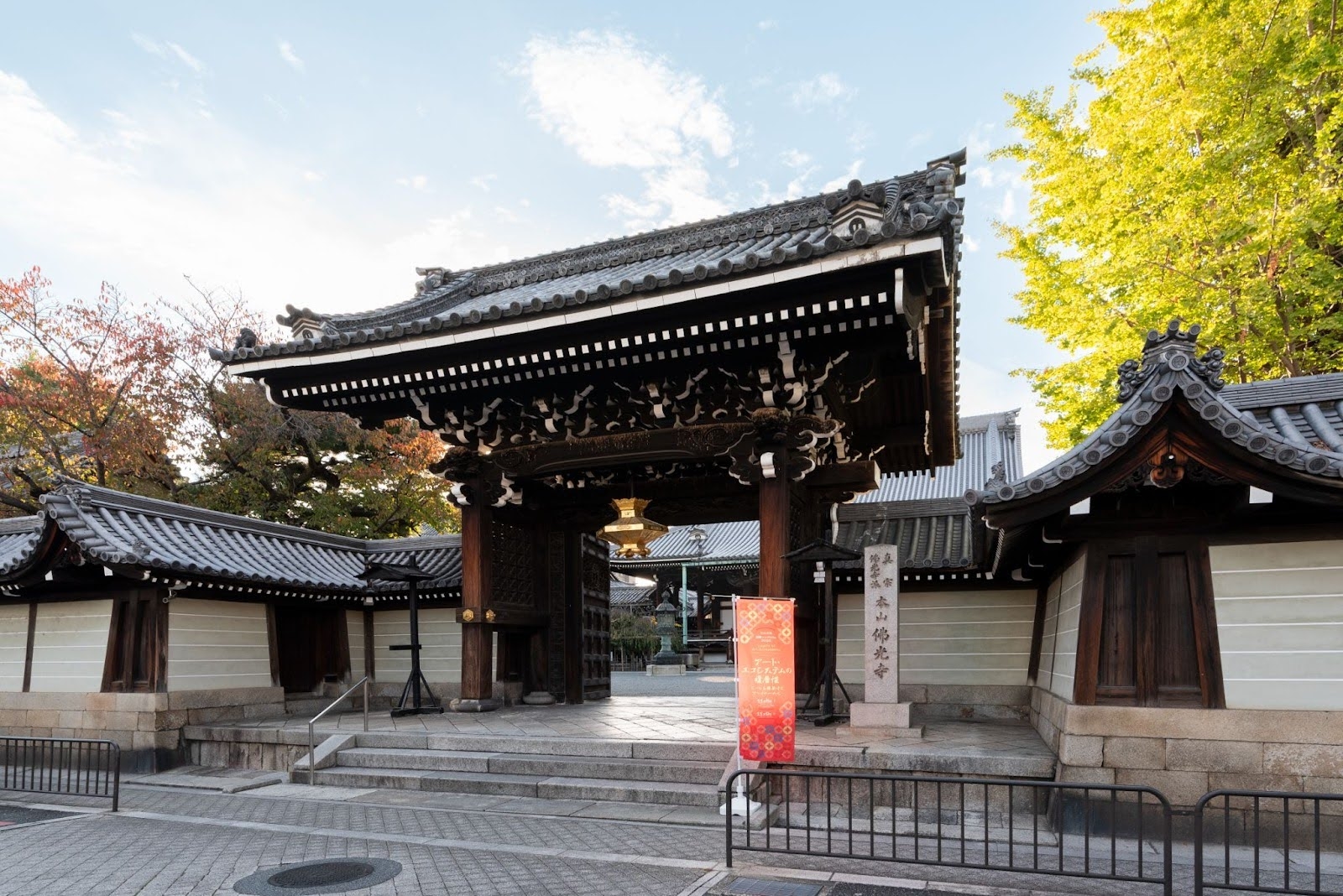
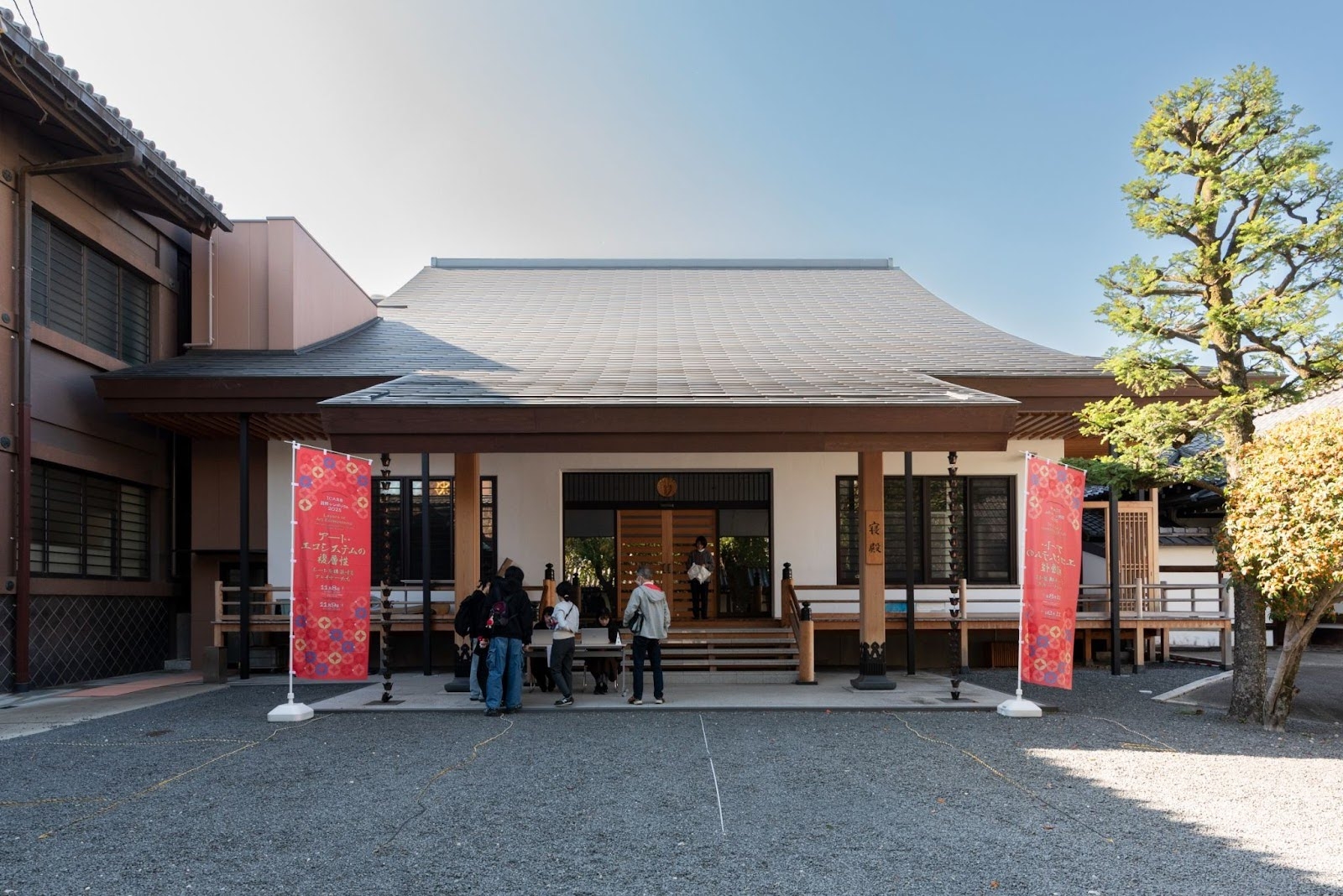
The two-day symposium was held at the Byakkoin Hall at Bukköji Temple (Shinshū Bukköji-ha head temple) in central Kyoto
Session 1: How do you cultivate a local art scene?
Session 1 featured presentations by three groups in the civic sector engaged in independent practices across Thailand, Kyoto, and Indonesia. Even though all three operate as independent entities, each of their roles and philosophies is considerably different. Along with Tsutsumi Takuya as a moderator, panelists shared their respective practices rooted in the local while demonstrating a commitment to the broader art scene.
Mary Pansanga (Director/Curator, STORAGE [Bangkok])
Based in Thailand’s capital of Bangkok, STORAGE is an independent space founded by Atit Sornsongkram and Prae Pupityastaporn in late 2022. It was developed as a collaboration with the architectural team SP/N, renovating a part of a former printing studio. Pansanga has been involved in its management from its earliest days.
For STORAGE, the word “independent” carries two meanings: one, the space covers its own operation costs without relying on public funding; and two, they aim to remain flexible and experiment without strict rules and regulations. While STORAGE presents four exhibitions each year, one or two are supported with help from partner organizations, and the rest are self-funded.
Operating without a fixed structure, they showcase both local and international artists regardless of career status or age. The versatile nature of STORAGE’s physical space is also one of its key characteristics. With movable walls that can configure every part of the space, the fluidity of the architecture serves as a key component of Pansanga’s curatorial practice in conceptualizing each project.
STORAGE’s mission to operate as an independent space is inextricably tied to Thailand’s political landscape. In Thailand, publicly funded arts institutions (those backed by national or local government) are exceptionally rare, and the country’s mercurial political climate makes it difficult to secure stable administrative support. In order to sustain creative practices within an unstable environment, Pansanga noted that it was necessary to constantly adapt to different circumstances and identify opportunities within them.
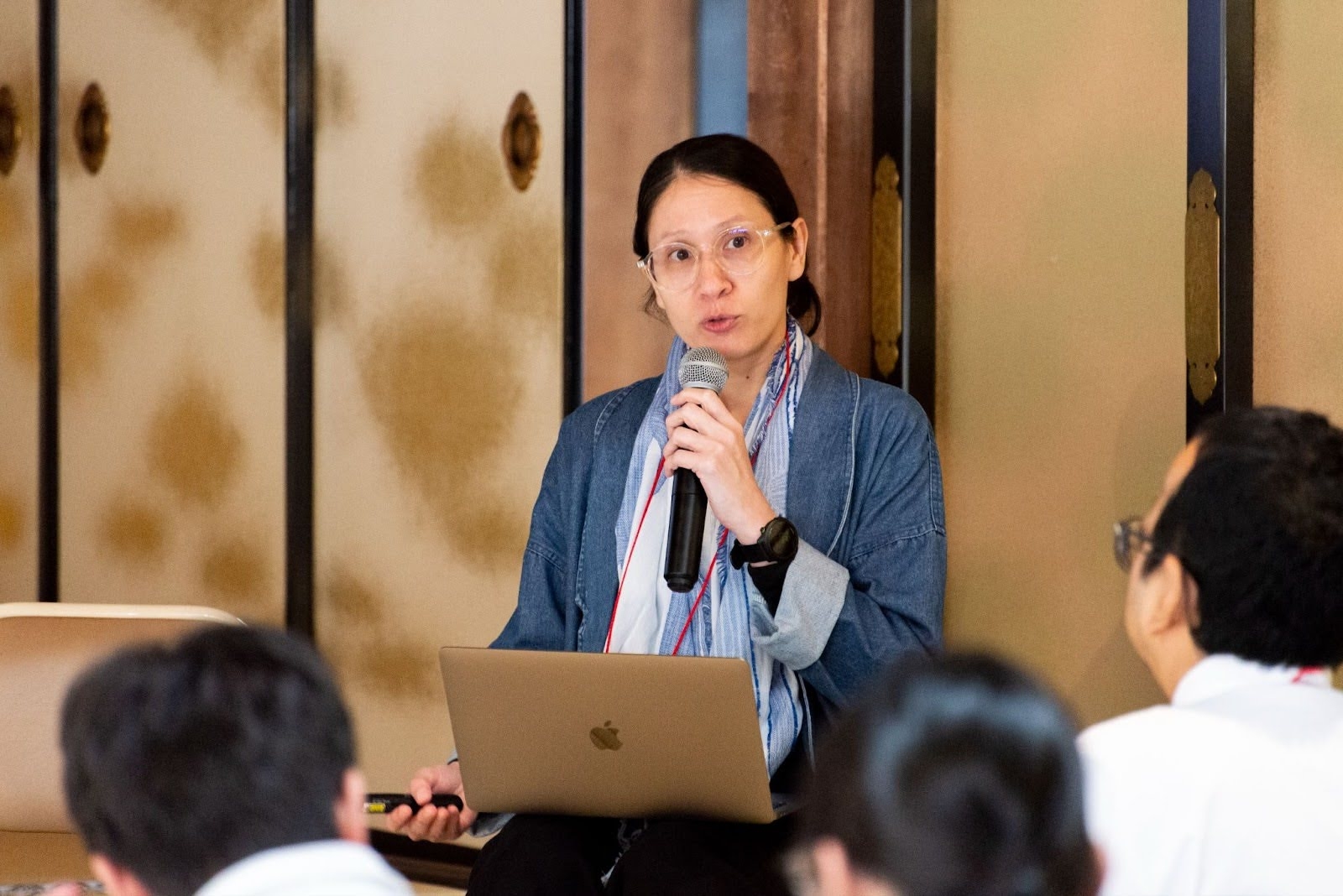
Mary Pansanga (STORAGE [Bangkok)
Tanaka Kazuhito & Kan Kaoru (Founder and Co-Founder, artist-run space soda [Kyoto])
“artist-run space soda” (hereafter as “soda”) was founded in Kyoto in 2018 by artists Tanaka Kazuhito and Kan Kaoru, who are also partners in life. The space initially operated out of the courtyard of a shared house converted from a soda factory in the Mibu area before relocating to a traditional townhouse in a historic residential neighborhood in 2025.
The foundation of soda’s activities lies in Tanaka and Kan’s personal networks acquired from years of working as individual artists in Japan and abroad. As these networks expanded, it developed into a unique operational structure that organically transcended regional, national, and institutional boundaries. Tanaka and Kan’s demeanor remains unpretentious, despite the fact that soda has been widely active across exhibitions, art fairs, and collaborative projects. This may be attributed to their different definitions within “the local,” which Tanaka called the “large local” and the “small local.”
Tanaka elaborated that the “large local” refers to a fluid, dynamic network that transcends global borders, formed by the connections between people. The “small local” refers to the relationships within the day-to-day. soda embodied both with ease. While the two have dedicated more time to running the space since its relocation, soda’s exhibitions and gallery hours remain flexible to accommodate their personal schedules. Grounded in the individual connections across countries and regions and their daily lives, soda continues to foster encounters with sophisticated global voices in a small space amidst a quiet local neighborhood. Their organic approach demonstrates a sustainable way of creating, exhibiting, and living.
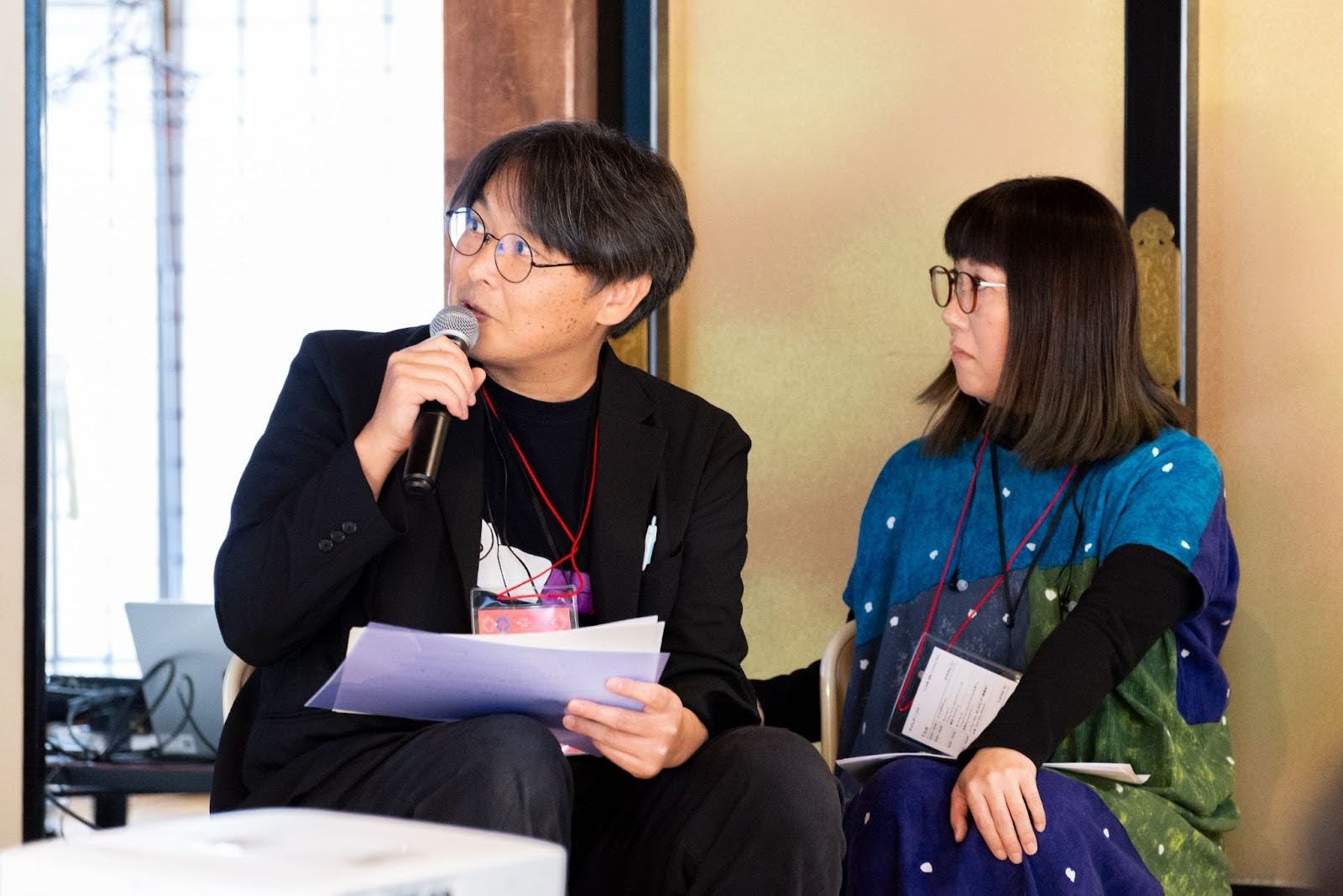
Tanaka Kazuhito & Kan Kaoru(soda)
Mira Asriningtyas & Dito Yuwono (Directors, Cemeti – Institute for Art and Society [Yogyakarta, Indonesia])
“Cemeti – Institute for Art and Society” (hereafter “Cemeti”), located in Yogyakarta, one of Indonesia’s historic cultural centers, was established as a platform by artists Mella Jaarsma and Nindityo Adipurnomo, who opened their private residence as a gallery space in 1988. Originally founded as “Cemeti Art House,” it adopted its current name in 2017.
Cemeti was founded in the same year as Suharto’s authoritarian regime. In this climate, artists who sought to maintain their freedom of expression from government censorship had little choice but to build self-funded, autonomous organizations. Cemeti’s act of opening a private residence, a kind of hideout, was itself a form of resistance against state control of the arts.
Cemeti’s trajectory is particularly compelling because it became a communal place where people gathered, learned, and supported each other, in addition to its function as an exhibition venue. In the 1980s and 1990s, when public institutions for art education were scarce and organizations for preserving art historical archives were virtually nonexistent in Indonesia, Cemeti served as a rare and essential space where artists and curators could study and safeguard the history of Indonesian art.5
Its two directors stated that people were the most essential form of infrastructure in sustaining autonomy outside of state power. Within this perspective, art no longer becomes the completion of a work but a practice of building human connections, sharing goals, and helping one another.
It’s worth noting that they also reject the notion that a space closing down means failure. To put another way, failure has more to do with continuing something merely out of obligation. Following the collapse of the Suharto regime in 1998, Indonesia witnessed a rapid succession of spaces opening and closing through a repetition of emergence and dissolution. In a changing ecosystem, the emphasis is not placed on physical survival but on the survival of ideas and connections through other forms and places.
Within an art scene of relentless transformation, Cemeti, approaching its fortieth year, has become the longest-running artist-run space in Indonesia. It continues to operate today as a site of free expression, guided by the conviction that art is, in essence, political.
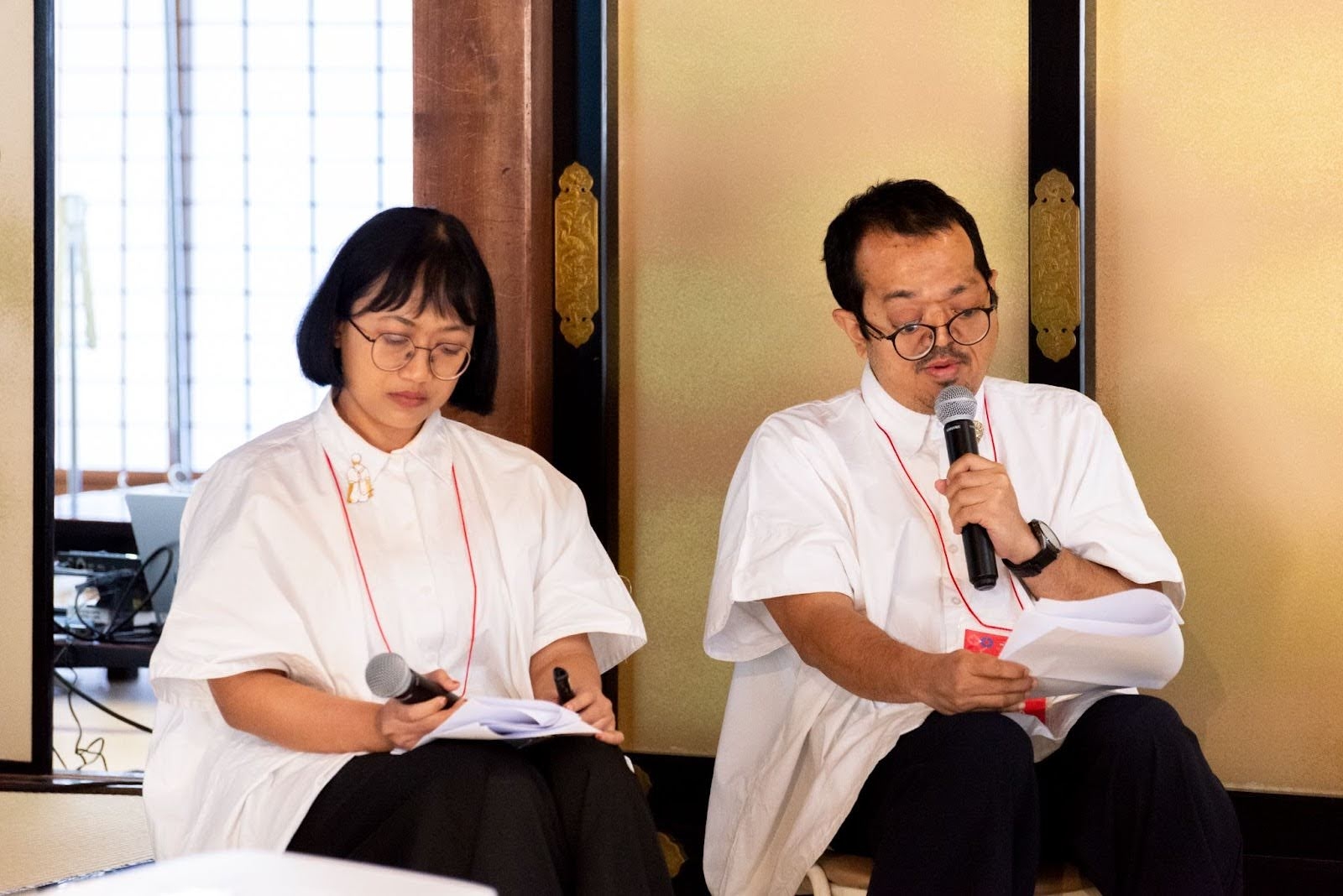
Mira Asriningtyas & Dito Yuwono (Cemeti – Institute for Art and Society)
In the cross talk between moderator Tsutsumi and Session 1’s six presenters, participants shared insights on each other’s presentations, on relationships with other local spaces within their regions, and on the logistics of securing funding, interspersed with questions from the audience. In particular, the statement by Cemeti’s Astriningtiyas and Yuwono that “a space closing does not mean failure” seemed to challenge the common notion that views continuity as success and likely served as an eye-opening revelation to many attendees at the venue.
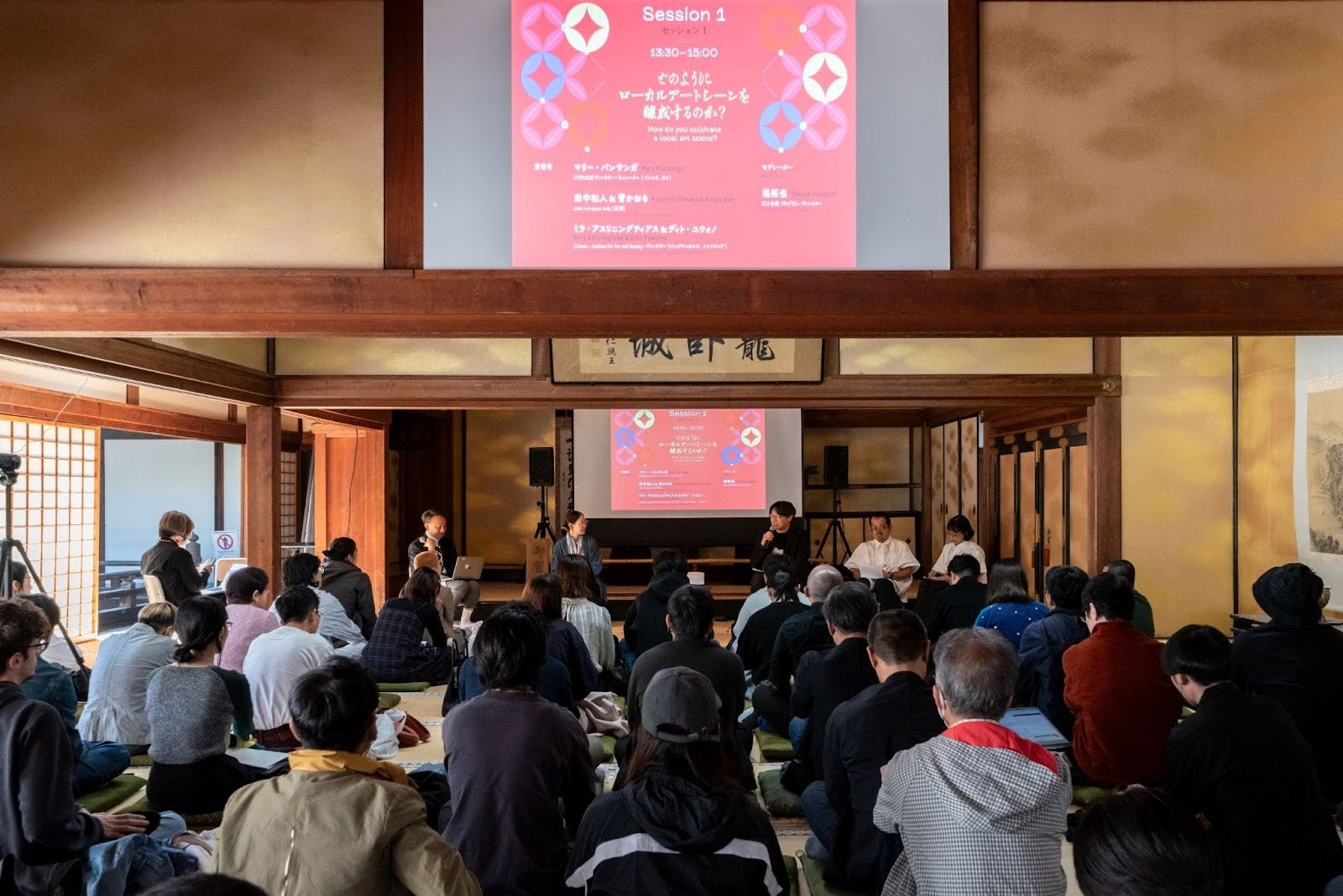
Cross talk from Session 1
Session 2: How do you support local artists and enable them to expand globally?
Session 2 turned its focus to the private sector, namely two private foundations that provide funding for the visual and performing arts, one Taiwanese and the other Japanese. Kobayashi Rune (University of Hyogo), a specialist in British cultural policy, served as moderator. Through presentations on each foundation’s origin, institutional design, programming, and visual case studies, the session illustrated the reciprocal relationship between artists’ career development and grant systems, as well as the current challenges both institutions face.
Huang Shaoan (Curator, Hong Foundation [Taipei, Taiwan])
Named after the co-founder of Taiwan Matsushita Electric, Hong Chienchuan (洪建全), Taipei’s Hong Foundation was established in 1971, with its early development of cultural and educational programs spearheaded by Celia Chien Chinghui (簡靜恵). It remains Taiwan’s first foundation exclusively dedicated to culture and education. Taiwan in the 1970s was under martial law, a period of remarkable economic growth, restricted freedom of expression, and scarce cultural resources. Hong Chienchuan established the foundation with the explicit aim of investing in culture and education and has made a significant contribution to the development of Taiwan’s distinct cultural identity. Since 2014, under the leadership of current Executive Director Grace Chang (張淑征), the foundation began supporting contemporary art. Within Taiwan’s art ecosystem, artists and curators primarily depend on two major public funding sources: the National Culture and Arts Foundation, a body dedicated to cultural grants, and the Ministry of Culture. Private foundations serve as an additional source of funding. The Hong Foundation, which does not operate a museum, focuses on supporting artistic creation through commissions, grants, and collaborative projects.
The Hong Foundation is unique in its commitment to not merely providing financial resources but supporting an artist’s entire creative process. For instance, in The Question Project 6, an annual program that invites one artist to create a new commissioned work, the foundation’s team works directly with the artist to help with concepts and research and to provide studio space and other necessary equipment. Another example is the Tung Chung Prize, an award of one million New Taiwan dollars, that supports and collaborates with the recipient for nearly a year and culminates in a solo exhibition at a domestic or international institution. The award has a track record of advancing the international careers of Taiwanese artists, as seen in the steady rise of the 2024 recipient, Musquiqui Chihying (致穎). After Musquiqui had their solo exhibition at C-LAB (Taiwan Contemporary Culture Lab), they were invited to the Haus der Kulturen der Welt in Berlin, which then led to their participation in the 2025 Taipei Biennial.
Huang explained that the foundation’s long-term approach is to contribute to the development of Taiwanese culture and society through the power of the private sector. She noted that while collaborating with artists and institutions is not necessarily easy, it was that dynamism that made supporting artists meaningful.
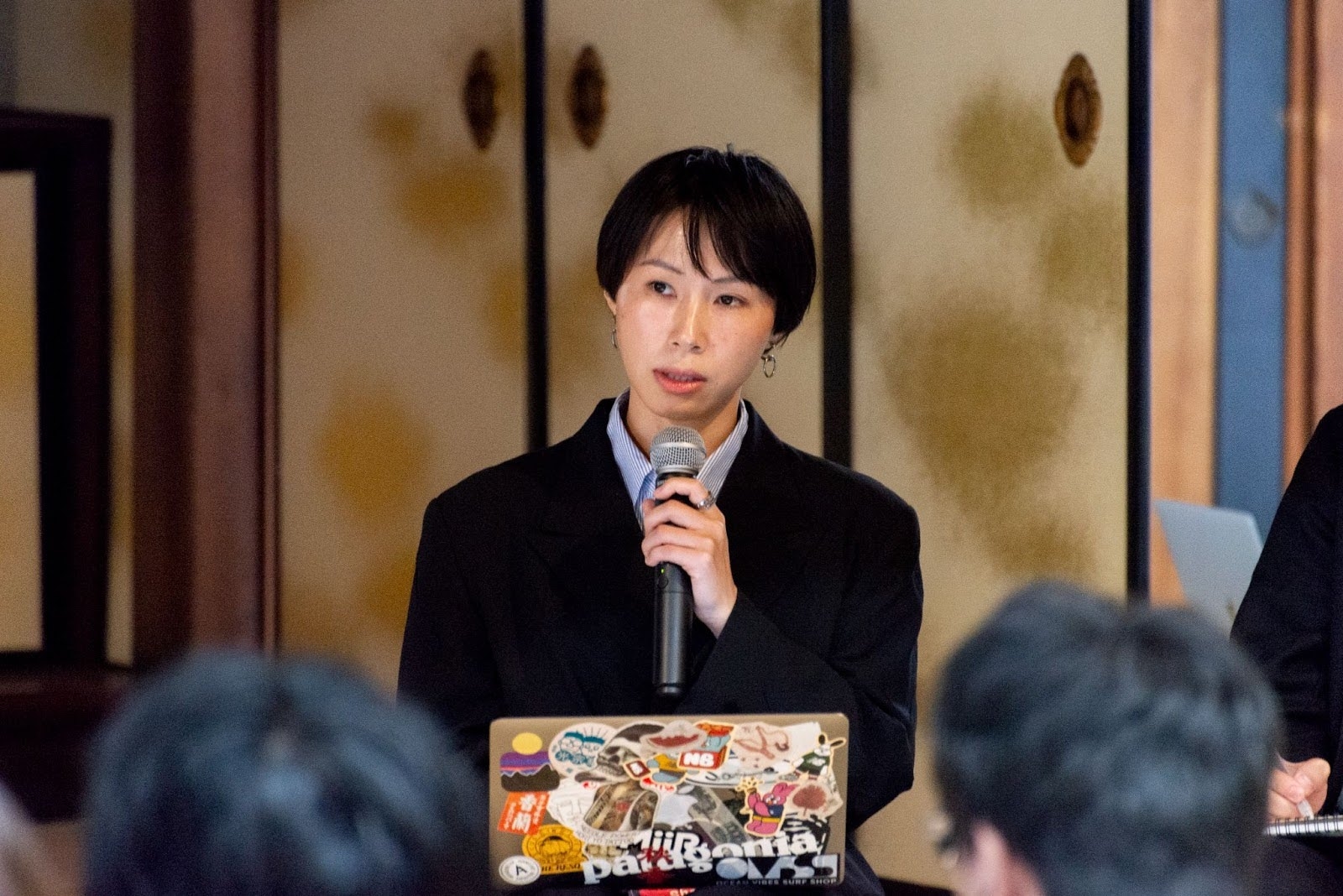
Huang Shaoan(Hong Foundation)
Inamura Taro (Program Director, The Saison Foundation [Tokyo])
The Hong Foundation’s account of working alongside artists as a creative partner resonated with the next presentation by Inamura Taro of the Saison Foundation.
Founded in 1987, The Saison Foundation is a private foundation funded by a personal endowment by businessman Tsutsumi Seiji, distinguishing itself from many corporate foundations that support themselves through company stock dividends. As a specialist in the performing arts, the Saison Foundation utilizes a program officer system7 to provide comprehensive and long-term support to its grantees that includes not only financial assistance but also program planning and management, as well as ongoing consultation and support after funded grants.8 Saison’s long-term support represents the advantage of the private sector compared to most public grant programs in Japan, which are limited to one fiscal year and are predicated on concrete results such as a performance or exhibition.
However, in recent years, many younger artists express little interest in expanding their practice abroad, and those who do are far from the majority. Inamura suggests that this may be due to artists and supporting institutions having different challenges and perspectives on “internationalization,” or going international. Artists face difficulty in presenting work for a global audience, as the local contexts embedded in their work are hard to convey and as the responses to their work are vastly different abroad. On the other hand, supporters say that their difficulty is in the lack of criteria needed to evaluate their own activities. One contributing factor is that Japan’s different government ministries have divided ideas on the purpose of “internationalization.”
In response to the session’s central question of how to support local artists and their activities outside of Japan, Inamura identified opportunities to go abroad as the most important factor. He articulated that the significance in expanding internationally was in the internal transformation gained from visiting different countries, directly interacting with people from different countries, and experiencing different cultures.
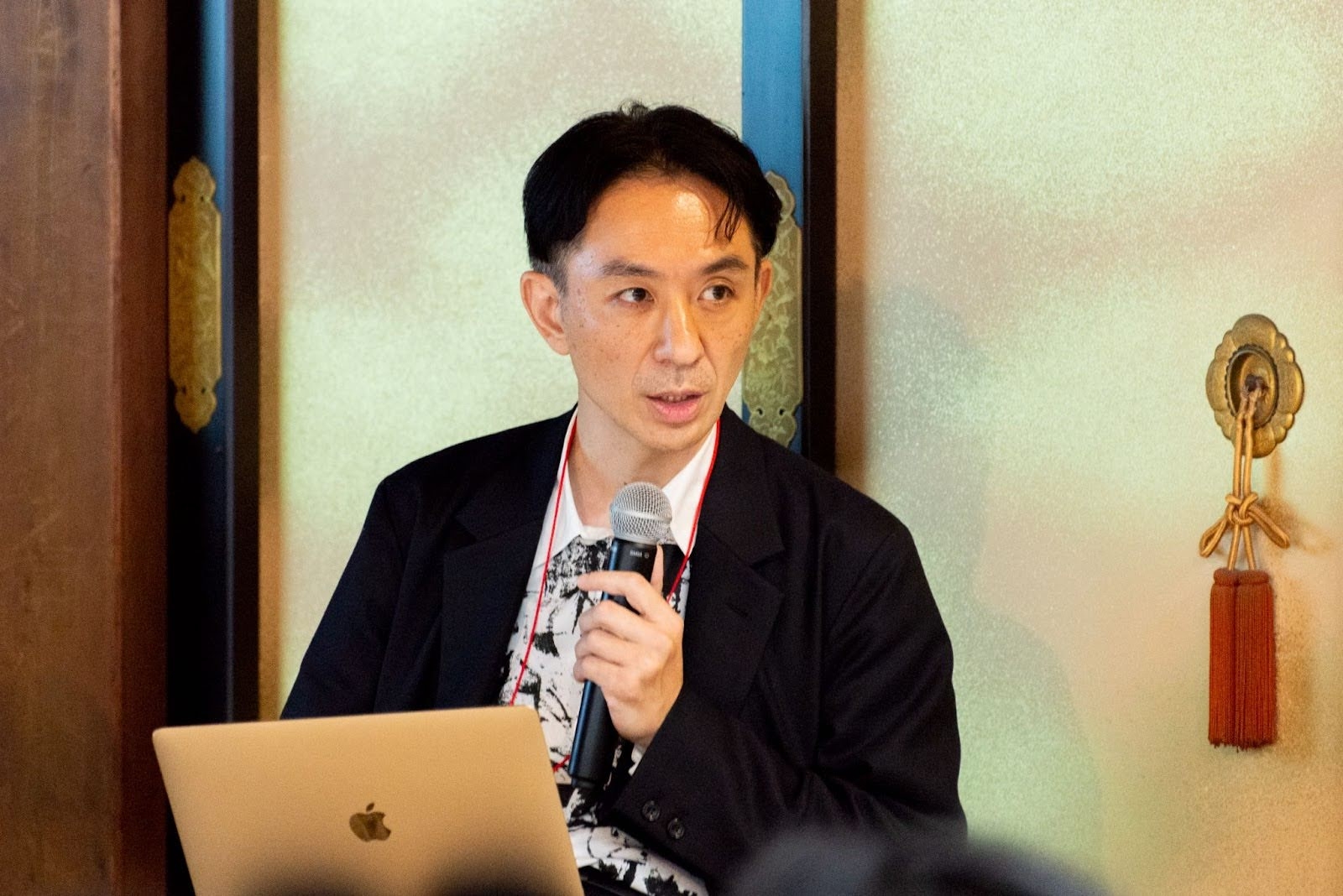
Inamura Taro (The Saison Foundation)
In the cross talk with moderator Kobayashi and Session 2’s two presenters, the discussion continued the theme of “internationalization.” Huang pointed out that “internationalization” in Taiwan’s art scene was a process of decolonization and that it was important to uplift Taiwan’s local voices rather than narratives dominated by the West. In contrast to Japan, Taiwan appears to offer a wide range of programs inclined towards international opportunities. The topic of employment within the art ecosystem also came up in the discussion. In response to Kobayashi’s question, “Is there a situation where people from different industries, circulate and create jobs?”, Inamura stated that job changes across industries were rare in Japan, as there remains a strong culture that values working for the same industry or organization for a long time.
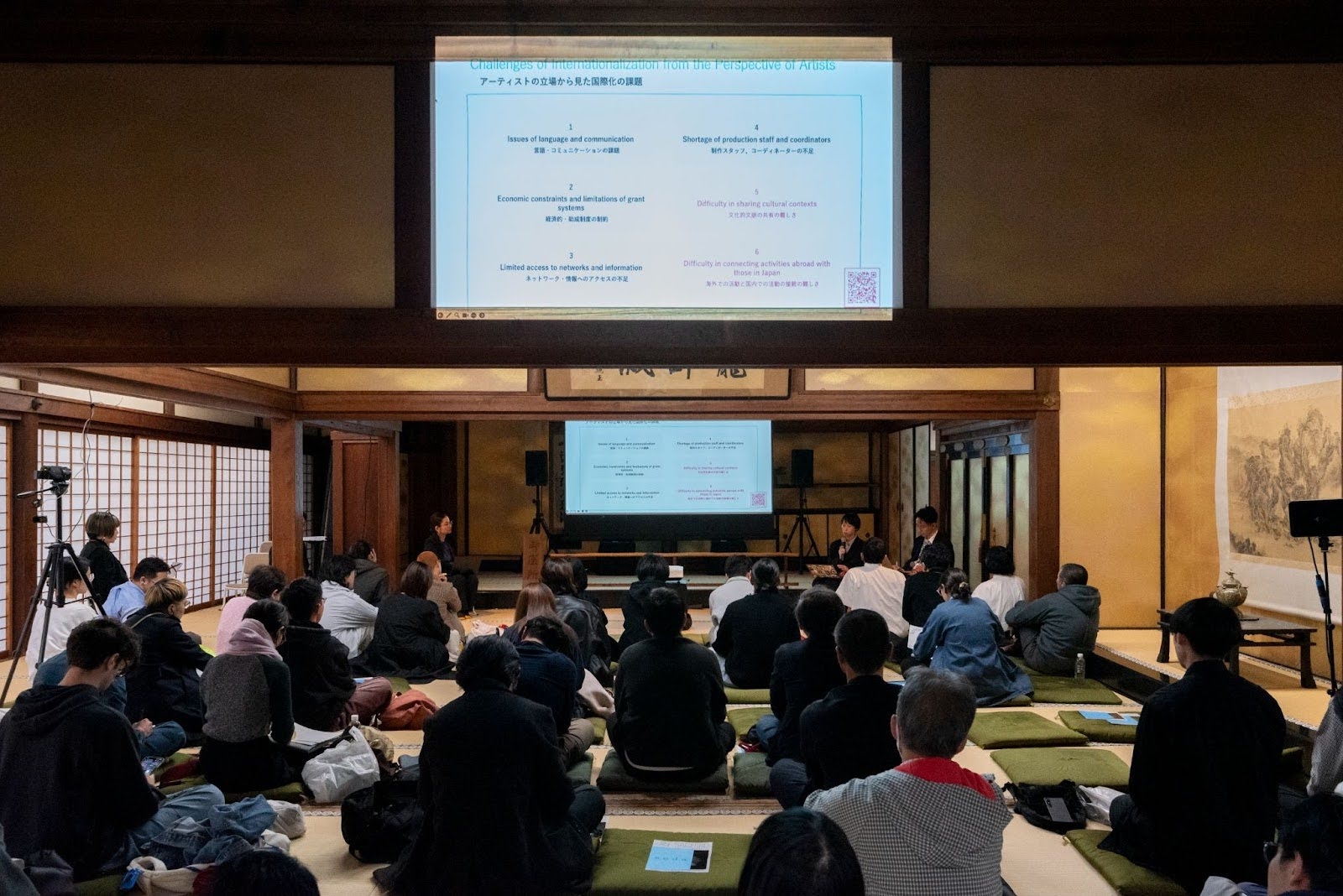
Cross talk from Session 2
Informal Gathering
An informal gathering was hosted by BnA Alter Museum in Shimogyo Ward afterwards (although I personally was unable to attend). Participants said that it was a memorable event thanks to the meticulous attention to detail in everything from the catering, atmosphere, and space by the staff members of ICA Kyoto. One attendee shared that they learned a great deal about how food and drinks can inform a gathering and how participants interact with each other, while another reflected that “as an informal space, it allowed connections that transcended sectoral roles and regional boundaries to flourish, and it is these relationships that may shape the future of the art ecosystem.” The comment seemed to embody the message of the symposium, where individuals could interact and inhabit the same space and time.
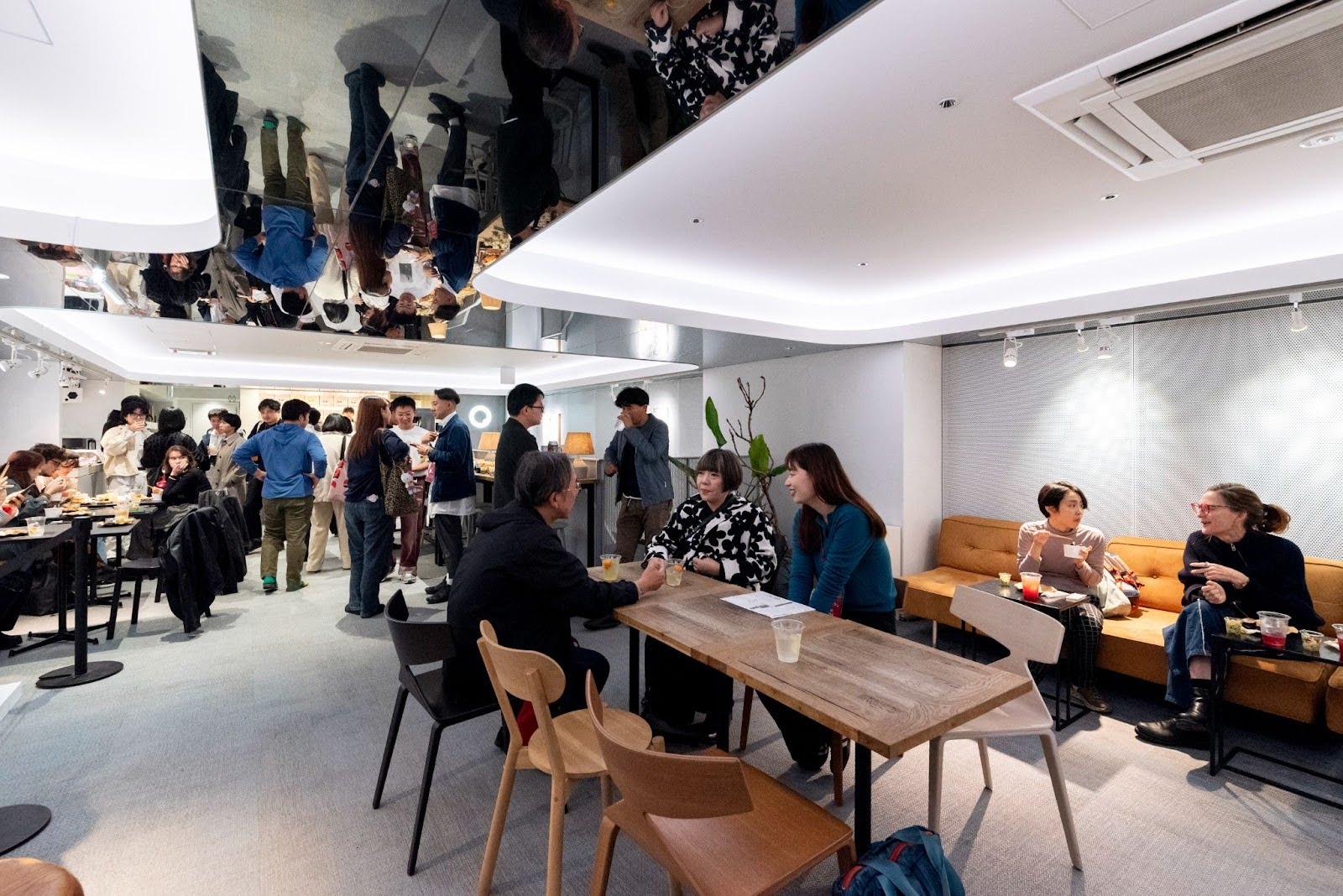
Informal Gathering
Taking place on the second floor of the BnA Alter Museum, the event was a night of reconnecting with familiar faces and forging new connections.
1. The term “the world” primarily refers to connections across regions in Asia. For further details, see the link below.
「Who We Are」ICA KYOTO
2. A report on the previous “ICA Kyoto Inaugural International Symposium: The Potential of Contemporary Art Capitals — Kyoto, Chiang Mai, Yogyakarta,” can be accessed here:
Uryu Tsushin, “ICA Kyoto Hosts Its First Major Event! — What Is the ‘Capital’ of Contemporary Art as Seen Through the Connections Between Kyoto, Chiang Mai, and Yogyakarta?” (Article available in Japanese only)
3. Refereced from Tsutsumi’s presentation on November 8, 2025.
4. ICA Kyoto TALK 055, “Re-Positioning: Kyoto, Asia, and the World — Thinking Through the Contemporary Art Ecosystem,” April 3, 2025, venue: QUESTION, Kyoto. Its report can be accessed in the link below.
Manabu Miki, “ICA Kyoto TALK 055 Review: A Relay Point Between the ‘Bird’s-Eye View’ and the ‘Untrodden Path’ Across Asia’s Art Scene — The Future of ICA Kyoto,” ICA KYOTO JOURNAL (Article available in Japanese only)
5. Established in 1996, the archival institution now known as the Indonesian Visual Art Archive (IVAA) is an independent organization that grew out of the Cemeti Art Foundation.
6. References to The Question project can be accessed in the link below (past editions of the project are in the page’s middle to lower portion):
HONG FOUNDATION
7. Project coordinator Wakabayashi Tomoko describes a program officer as “a specialist within a grant organization who oversees the full process of ① assessing needs and analyzing environments ② forming grant policies ③ planning grant programs ④ selecting grant recipients ⑤ creating grants (financial and non-financial support) ⑥ following up after grants have been funded ⑦ reviewing and improving for the next cycle.”
Wakabayashi Tomoko, “Raising the Quality of Program Evaluation Through the Courage to Change, the Composure to Hold Firm, and the Experiential Knowledge to Discern Between the Two,” Saison Foundation Newsletter viewpoint, no. 101, Saison Foundation.
8. For a clear account on the concept of “intermediary organizations,” see the following article by Yoshida Tadahiko of Kindai University, a specialist in nonprofit organization management:
Nonprofit Terminology Dictionary, “Intermediary Organizations”(Article in Japanese only)
ICA Kyoto | International Symposium 2025 Layers of Art Ecosystems: Making Actors Visible in Local and Global Scenes
Dates:Saturday, November 8, 2025, 13:00–17:00(Casual Gathering: 17:30–20:00), Sunday, November 9, 2025, 10:00–16:00
Venue:Shiroshoin at Bukko-ji Temple, the head temple of the Bukko-ji sect of Shinshu Buddhism (397 Shinkai-cho, Shimogyo-ku, Kyoto)
Speakers
・Mary Pansanga (Director/Curator, STORAGE [Bangkok])
・Tanaka Kazuhito & Kan Kaoru (Director and Co-Founder, artist-run space soda [Kyoto])
・Mira Asriningtyas & Dito Yuwono (Directors, Cemeti – Institute for Art and Society [Yogyakarta])
・Huang Shaoan (Curator, Hong Foundation [Taipei])
・Inamura Taro (Program Director, The Saison Foundation [Tokyo])
・Hosaka Kenjiro (Director, Shiga Museum of Art, Shiga)
・Matsuoka Takeshi (Curator, Hiroshima City Museum of Contemporary Art, Hiroshima)
・Heejung Park (Manager, MMCA Residency Changdong, National Museum of Modern and Contemporary Art, Korea (MMCA) [Seoul])
・punto (Shared studio [Kyoto])
・TRA-TRAVEL (Art hub [Osaka])
・MOMENT Contemporary Art Center (Contemporary Art Center [Nara])
・Kobayashi Rune (Lecturer, The Professional College of Arts and Tourism)
・Kataoka Mami (Director, ICA Kyoto)
・Nakayama Kazuya (Deputy Director, ICA Kyoto)
・Tsutsumi Takuya (Program Director, ICA Kyoto)
・Kanazawa Kodama (Special Project Director, ICA Kyoto)
Organized by ICA Kyoto, Kyoto University of the Arts Graduate School
Supported by The Toshiaki Ogasawara Memorial Foundation
Sponsored by Jam Acuzar
In collaboration with Asian Art Roundtable organized by the Agency for Cultural Affairs, Government of Japan
In cooperation with BnA Alter Museum
Watanabe Ayumi
Watanabe is a Special Research Fellow at the National Museum of Modern Art, Kyoto (MoMAK). She was previously a curator at the Museum of Modern Art, Shiga (MoMAS) from 2014 to 2023. Notable exhibitions as a curator and coordinator at MoMAS include Signs of Life (Inochi no Shirushi) — Shiga and “Art Brut” (2015); Time and Landscape — A Collection Connecting to the Future (2016); Go Round! Connect! Colors and Forms. Our Cheerful Modernism (2017, co-organized with Seian University of Art and Design); and Voice Over — Voices That Spin and Play (2021). Her recent projects at MoMAK include 1st Collection Exhibition 2025: Sit and See (2025, co-organized with Saki Matsuyama and Tomoko Torikawa) and Curatorial Studies 16: Yu Araki — Reorienting: With Artists Who Crossed the Sea 100 Years Ago (2025).